Loading…
 Visa & Papers
Skilled Worker Visa Germany: Step-by-Step Application Guide
By the GoGermany Editorial Team · 2026-06-20
Apply for the skilled worker visa Germany the right way: recognition, job offer, appointment, documents, fees, and timelines explained step by step.
Skilled Worker Visa Germany: Step-by-Step Application Guide
Germany faces a serious labour shortage, and the skilled worker visa Germany route is your most direct path to filling one of those gaps with a long-term career. Thanks to the modernised Skilled Workers Immigration Act (Fachkräfteeinwanderungsgesetz), the process is now faster and more flexible for qualified professionals from outside the EU. This guide walks you through every stage, from getting your qualification recognised to the day you land at the airport.
Who Qualifies Under the Skilled Workers Immigration Act
The Fachkräfteeinwanderungsgesetz opens the door to two main groups of professionals. Knowing which category you fall into determines which documents you need and how smooth your journey will be.
You generally qualify if you have one of the following:
- A university degree recognised in Germany or comparable to a German degree (academic professionals).
- A vocational qualification from an Ausbildung-equivalent training programme of at least two years, recognised by German authorities.
- The new Chancenkarte (Opportunity Card) if you want to come and search for a job using a points-based system rather than holding an offer first.
For most applicants, the classic pathway looks like this: get your qualification recognised, secure a job offer, then apply for the visa. There is also a salary-based shortcut — the EU Blue Card — for academics earning above a set threshold (around €45,300 gross per year in 2024, and roughly €41,041 for shortage occupations like IT and engineering).
A quick word on language
You do not always need German for the visa itself, especially for IT roles or Blue Card holders. However, B1 or B2 German dramatically improves your chances of recognition in regulated professions (nursing, teaching, medicine) and makes daily life far easier.
Step 1: Get Your Qualification Recognised
Recognition (Anerkennung) is the foundation of the whole application. Without it, German authorities cannot confirm your skills meet local standards.
Here is how to approach it:
- Check your profession on the official portal Anerkennung in Deutschland (anerkennung-in-deutschland.de). The "Recognition Finder" tells you whether your job is regulated and which body handles your case.
- Identify the responsible authority. For degrees, the ZAB (Zentralstelle für ausländisches Bildungswesen) issues a Statement of Comparability through the anabin database. For vocational jobs, it might be the local IHK FOSA (Chamber of Industry and Commerce) or a state ministry.
- Submit your documents — diplomas, transcripts, proof of work experience, all with certified German or English translations.
- Wait for the assessment. This typically takes 2 to 4 months, depending on the authority and how complete your application is.
Costs for recognition
- ZAB Statement of Comparability: around €200.
- IHK FOSA vocational recognition: between €100 and €600.
- Certified translations: roughly €30–€70 per document.
If your qualification is only partly recognised, you may receive a "deficit notice" and can complete a qualification measure in Germany to close the gap.
Step 2: Secure a Concrete Job Offer
The skilled worker visa requires a binding job offer or signed employment contract from a German employer that matches your qualification. The role does not have to be identical to your degree, but it must require your skill level.
Where to find roles:
- Make it in Germany (make-it-in-germany.com) — the government's official job and information portal.
- The Federal Employment Agency job board (arbeitsagentur.de).
- LinkedIn, StepStone, and Indeed Germany for private listings.
Your contract should clearly state the job title, gross salary, working hours, and start date. Make sure the salary meets minimum thresholds, particularly for the Blue Card. Employers often help with the paperwork because they want you to start quickly.
The fast-track option
Ask your employer about the accelerated skilled worker procedure (beschleunigtes Fachkräfteverfahren). The company applies on your behalf at the local Ausländerbehörde in Germany and pays a €411 fee. This can cut waiting times significantly because recognition and visa pre-approval happen in parallel, and you get a priority appointment at the consulate.
Step 3: Book Your Visa Appointment
Once you have recognition and a job offer, you apply for the entry visa at the German embassy or consulate in your home country.
Steps to follow:
- Locate your consulate via the website of the Federal Foreign Office (Auswärtiges Amt, auswaertiges-amt.de).
- Use the consulate's booking system — many now use the VIDEX online form and a dedicated appointment portal.
- Book early. In high-demand countries like India, Nigeria, or the Philippines, waiting times for an appointment can stretch from a few weeks to several months.
- Prepare for the interview, where a consular officer reviews your documents and asks about your role and plans.
The visa you receive is a national visa (D-visa) valid for entry. After arrival, you convert it into a residence permit.
Step 4: Gather Your Documents and Pay the Fees
A complete, well-organised file is the single biggest factor in a fast approval. Missing paperwork is the most common cause of delays.
Bring the following to your appointment (originals plus copies):
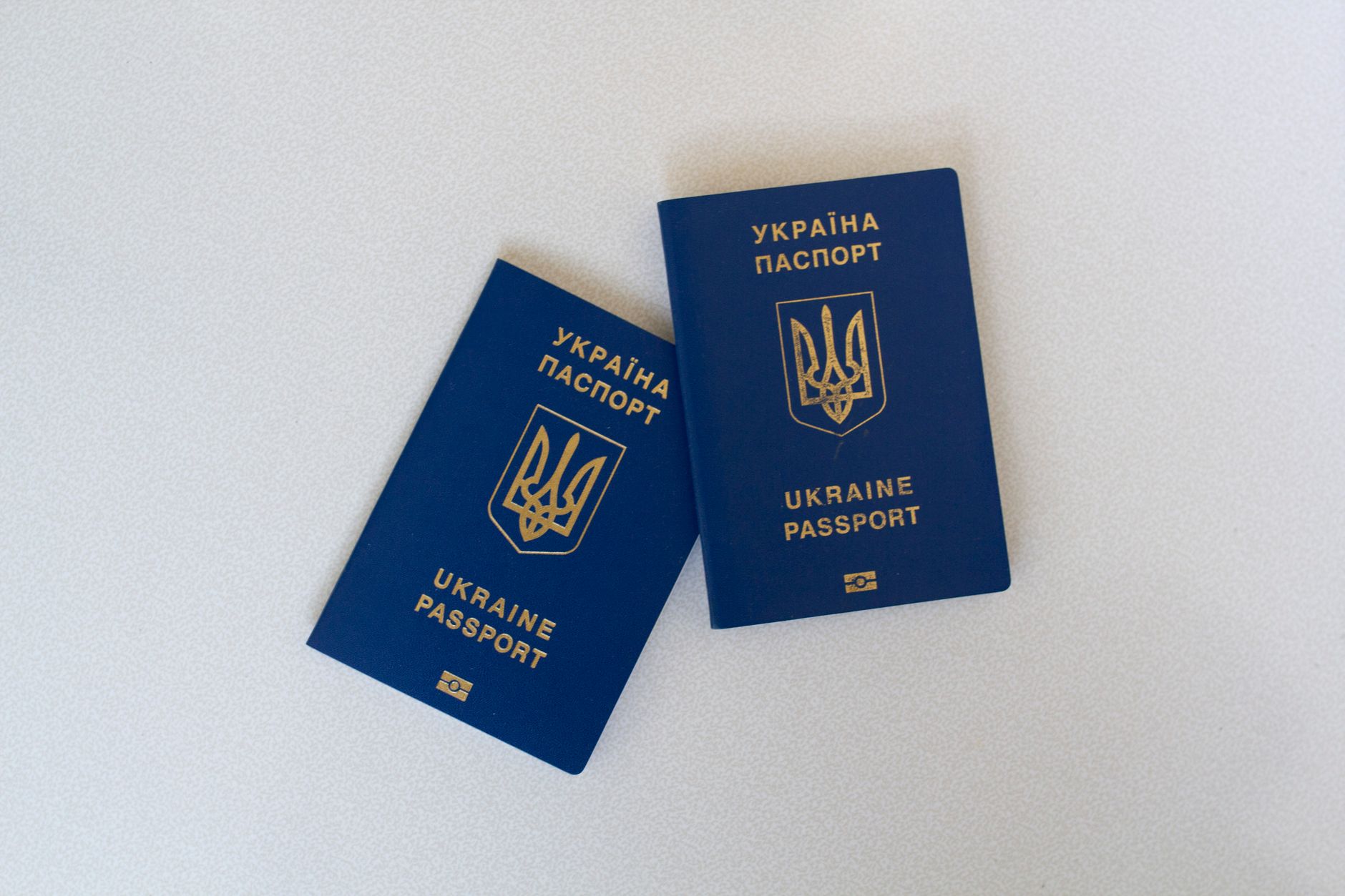
- Valid passport (issued within the last 10 years, valid at least 12 months).
- Two biometric passport photos meeting German standards.
- Completed national visa application form and signed declaration.
- Signed employment contract or binding job offer.
- Proof of qualification recognition (ZAB statement, IHK FOSA notice, or anabin entry).
- CV and academic/vocational certificates with translations.
- Proof of health insurance covering the gap before your German employer's coverage starts.
- Proof of financial means, if required (for job-seeker visas a Sperrkonto of around €12,324 for 12 months is standard).
- For the Blue Card: evidence your salary meets the threshold.
Visa fees
- National visa (D-visa): €75.
- Accelerated procedure: €411 (usually paid by the employer).
- Residence permit after arrival: up to €100 (Blue Card slightly more).
Pay in local currency as instructed by your consulate; card and cash rules vary by location.
Step 5: Timelines From Application to Arrival
Patience helps, but knowing realistic timeframes lets you plan your move and notify your current employer.
A typical timeline looks like this:
- Recognition of qualification: 2–4 months.
- Job search and contract: highly variable, from a few weeks to several months.
- Consulate appointment wait: 2 weeks to 3 months depending on country.
- Visa processing after appointment: 4–12 weeks for the standard route; 1–4 weeks with the accelerated procedure.
In total, expect 3 to 6 months from starting recognition to receiving your visa, sometimes faster with the fast-track. Build in extra buffer time for translations and document collection.
After you arrive in Germany
Within your first two weeks, you must complete your Anmeldung (address registration) at the local Bürgeramt. You will also:
- Open a German bank account.
- Register with statutory health insurance through your employer.
- Apply for your residence permit at the Ausländerbehörde, which replaces your entry visa.
Cities like Berlin, Munich, and Hamburg have busy registration offices, so book your Anmeldung appointment online as soon as you know your address.
Common Mistakes to Avoid
Even strong candidates stumble over avoidable errors. Watch out for these:
- Skipping recognition. Applying for the visa before your qualification is recognised almost always leads to rejection or delay.
- Incomplete translations. Submitting documents without certified German or English versions stops your file in its tracks.
- Ignoring salary thresholds. A contract just below the Blue Card minimum can disqualify you from that faster route.
- Booking the appointment too late. Appointment slots fill quickly; reserve yours the moment your other documents are nearly ready.
- Forgetting health insurance for the gap. You need coverage from the day you enter Germany until your employer's plan begins.
- Missing the Anmeldung deadline. Late registration can complicate your residence permit and even your salary payments.
- Not asking about the accelerated procedure. Many applicants wait months when their employer could have triggered a far faster process for €411.
Double-check every requirement against your specific consulate's checklist, since details differ slightly by country.
Conclusion
The skilled worker visa Germany pathway is more accessible than ever, but it rewards preparation. Start with recognition, lock in a solid job offer, assemble a flawless document file, and book your consulate appointment early — and you can realistically be working in Germany within a few months. If you would like a personalised checklist or help matching your qualification to the right German authority, explore the free tools and step-by-step support at GoGermany and take the first confident step toward your new life.
Try this free tool
Eligibility checker
See where you stand for the German visa — readiness score and exact blockers
Frequently asked questions
Share with your friends
Was this article helpful?
Comments
Most liked comments appear first.
Log in to join the discussion.
…
Read also
Visa & Papers
Chancenkarte from Peru: Points, Process and Costs
A practical 2026 guide to Germany's Chancenkarte for Peruvians: the two routes, the six-point system, proof of funds, the embassy process in Lima and what it all costs.
2026-08-05

Visa & Papers
USA vs Germany: Should You Move? Salary, Cost & Lifestyle
An honest 2026 comparison of the USA and Germany for anyone deciding where to live and work — salary vs take-home pay, healthcare, housing, paid leave, job security and work-life balance.
2026-08-05

Visa & Papers
Chancenkarte from Ghana: Points, Process and Costs
How Ghanaian professionals get Germany's Chancenkarte: full recognition vs the points track, the six-point table, a ~€13,000 Sperrkonto, the eight-step Accra Embassy process and 2026 costs.
2026-08-05

Visa & Papers
Chancenkarte from Argentina: Points, Process and Costs
How Argentine jobseekers can use Germany's Chancenkarte in 2026 — the two routes, the 6-point scoring table, proof of funds via a Sperrkonto, and a realistic cost breakdown.
2026-08-03

Visa & Papers
Chancenkarte from Italy: Points, Process and Costs
Italian citizens don't need the Chancenkarte at all thanks to EU free movement. Here's who actually does, plus the full 2026 points, funds and cost guide.
2026-08-03

Visa & Papers
Chancenkarte from Ireland: Points, Process and Costs
Irish citizens are EU nationals and don't need the Chancenkarte to move to Germany. Here's who actually needs it in Ireland, the points system and 2026 costs.
2026-08-03

Visa & Papers
Chancenkarte from the USA: Points, Process and Costs
How US citizens and residents can use Germany's points-based Chancenkarte to move over, hunt for a job for up to 12 months, and what it costs in 2026.
2026-08-03
Visa & Papers
Chancenkarte from the UK: Points, Process and Costs
Since Brexit, UK nationals are third-country nationals — here's how the German Chancenkarte points system works, what it costs in 2026, and the documents you need.
2026-08-03