Loading…
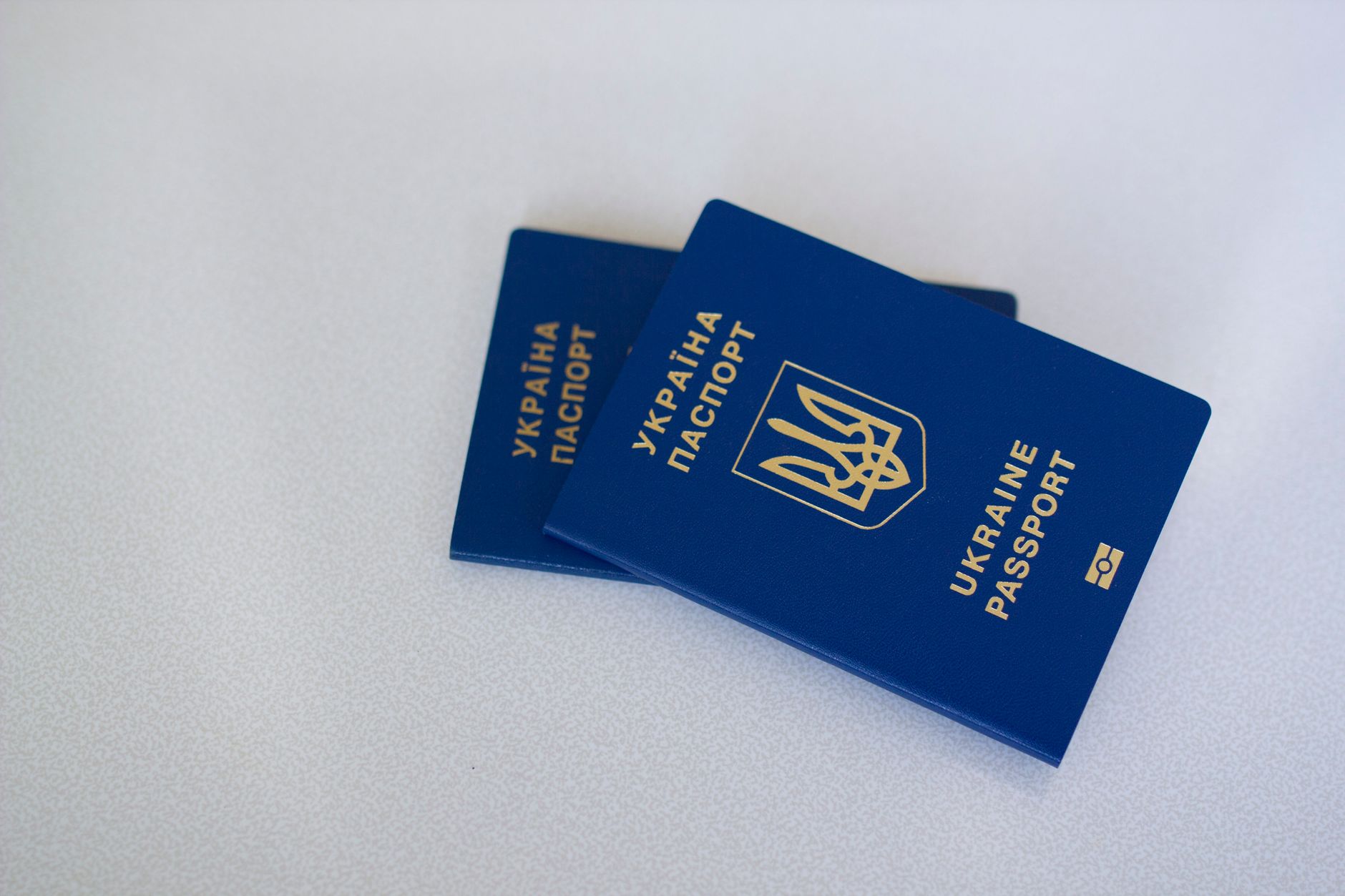 Visa & Papers
Relocating to Germany With Family: Schools, Costs & Visas
By the GoGermany Editorial Team · 2026-07-12
Planning to move to Germany with family? Discover visa rules, school enrollment steps, real cost breakdowns, and practical tips for a smooth family relocation.
Moving to Germany with family is one of the most rewarding decisions you can make — but it is also one of the most logistically complex. Between securing the right visas for every family member, enrolling children in the correct school track, and budgeting for a household rather than just yourself, the details can feel overwhelming before you even pack a box. This guide cuts through the confusion with real numbers, official sources, and city-by-city examples so your family lands in Germany prepared.
Understanding Your Visa Pathway When Moving to Germany With Family
The visa your family needs depends on why you are going to Germany. If you have already secured a job offer, you are likely applying for a Skilled Worker Visa or an EU Blue Card — and your family then applies separately for family reunification visas. If you are moving together from the start, German embassies allow joint applications but still process each person individually.
The Main Sponsor Visa
As the primary applicant (the one with the job offer, study place, or recognized qualification), you apply for your own national D-visa at your local German embassy or consulate. Processing times range from 4 to 12 weeks depending on the country and season.
Spouse Visa (Familiennachzug)
Your spouse applies under §30 AufenthG (Aufenthaltsgesetz). Key requirements:
- A1 German language certificate (Goethe-Institut or telc) — minimum 150 guided learning hours
- Valid passport and biometric photo
- Proof of your residence permit or visa approval in Germany
- Proof of adequate living space (typically 12 m² per person in many Ausländerbehörde guidelines)
- Proof of sufficient income to support the family
Important exception: If you hold an EU Blue Card, your spouse is exempt from the A1 language requirement. This is one of the most significant practical advantages of the Blue Card route for families.
Children's Visa
Children under 16 joining both parents in Germany can obtain a family reunification visa without a German language requirement. Children aged 16–17 must demonstrate the ability to integrate, which in practice usually means basic German or proof of a school place. Required documents:
- Original birth certificate with apostille (or notarized translation)
- Both parents' passports
- Proof of custody if only one parent is relocating
- Sponsor parent's visa or residence permit
Visa fees: €75 per adult, €37.50 per child under 18.
Enrolling Your Children in German Schools
Germany has compulsory schooling (Schulpflicht) for all children residing in the country, usually from age 6. Once you complete your Anmeldung (city registration) at the local Bürgeramt, the school enrollment process begins.
The German School System at a Glance
- Grundschule — Primary school, grades 1–4 (grades 1–6 in Berlin and Brandenburg), ages 6–10
- Gymnasium — Academic track leading to Abitur (university entrance), ages 10–18
- Realschule — Intermediate vocational/academic track
- Gesamtschule — Comprehensive school combining all tracks
- Welcome Classes (Willkommensklassen) — Intensive German classes for newly arrived children; offered in most major cities including Berlin, Hamburg, and Frankfurt
Contact your local Schulamt (school authority) — for example, Berlin's Schulamt is reached through the Senatsverwaltung für Bildung, and Munich's through the Referat für Bildung und Sport. They will assign your child to an appropriate school based on your home address.
Documents Needed for School Enrollment
- Anmeldung confirmation (Meldebescheinigung)
- Child's passport and birth certificate
- Previous school transcripts (translated into German by a certified translator)
- Vaccination record (Impfpass) — required in most Bundesländer
- Residence permit or visa copy
Public vs. International Schools
Public schools in Germany are free of charge, including for immigrant children. International schools (English-medium) such as the International School of Munich, Berlin International School, or Frankfurt International School cost between €12,000 and €25,000 per child per year. For most families, the Willkommensklasse system in public schools is the practical and affordable starting point.
Real Cost Breakdown for a Family of Four
Costs vary enormously by city. Here are realistic monthly budgets for a family of four (two adults, two school-age children) in three contrasting locations:
Munich
- Rent (3-bedroom apartment): €2,600–€3,500
- Groceries: €700–€900
- Public transport (Deutschlandticket × 2 adults): €99
- Kita/after-school care: €150–€300 per child (income-based)
- Health insurance: €0 extra (see below)
- Total estimate: €4,800–€5,800/month
Berlin
- Rent (3-bedroom apartment): €1,800–€2,600
- Groceries: €650–€850
- Public transport: €99 × 2
- Kita: €0–€200 (Berlin subsidizes heavily, first child often free)
- Total estimate: €3,800–€5,000/month
Leipzig or Dresden
- Rent (3-bedroom apartment): €1,100–€1,600
- Groceries: €600–€750
- Kita: €100–€250
- Total estimate: €2,800–€3,600/month
For a deeper comparison of affordable destinations, see Cheapest Cities to Live in Germany for Newcomers (2026).
Health Insurance for the Whole Family
Germany's statutory health insurance (gesetzliche Krankenversicherung, GKV) includes free family co-insurance (Familienversicherung) for:
- A non-working spouse earning less than €505/month
- Children up to age 18 (or up to 25 if in education)
This means if you are employed and contributing to a GKV provider such as TK (Techniker Krankenkasse), AOK, or Barmer, your entire family is covered under your single contribution — typically 14.6–16.3% of your gross salary, split with your employer. You pay approximately 7.3–8.15%.
If your spouse works, they need their own GKV or PKV (private) coverage. Private insurance (PKV) for a family of four can run €600–€1,200/month depending on the plan and ages.
The Anmeldung and Bureaucratic Timeline for Families
Within two weeks of moving into your German apartment, every family member must complete the Anmeldung at the local Bürgeramt. This registration triggers almost everything else:
- You receive a Meldebescheinigung — needed for bank accounts, school enrollment, and your Ausländerbehörde appointment
- Children are assigned to a Grundschule catchment area
- You receive a Steueridentifikationsnummer (tax ID) by post within 2–4 weeks
- The Ausländerbehörde converts your entry visa into a full Aufenthaltserlaubnis (residence permit)
Book your Bürgeramt appointment online — Berlin uses service.berlin.de, Munich uses muenchen.de/rathaus. Slots fill up fast; book immediately on arrival. If your permit is still processing, a Fiktionsbescheinigung bridges the gap legally.
Common Mistakes Families Make When Relocating to Germany
-
Forgetting the A1 certificate for the spouse. Many families assume they can sort language requirements after arrival. Without proof of A1, the spouse visa can be refused outright (unless you hold a Blue Card).
-
Bringing untranslated school transcripts. German schools and Ausländerbehörden require certified German translations. Using an uncertified online translation is a common and costly error.
-
Underestimating Kita waiting lists. In cities like Munich and Hamburg, Kita (daycare/nursery) waiting lists can stretch 12–18 months. Register your child as early as possible on platforms like KitaMatch or the city's own portal.
-
Not apostilling birth certificates. A birth certificate without an apostille is routinely rejected. Process this in your home country before departure.
-
Renting an apartment that is too small for Ausländerbehörde standards. Some offices use the 12 m² per person benchmark. A family of four in a 40 m² apartment may face questions about adequate living space when renewing permits.
-
Ignoring Bundesland differences. School systems, Kita subsidies, and Anmeldung procedures differ between states. Rules in Bavaria are noticeably different from those in North Rhine-Westphalia. Always check your specific Bundesland's government website.
Your First 90 Days: A Quick Checklist
- Arrive with all visas and apostilled documents in hand
- Book Bürgeramt appointment online before flying
- Complete Anmeldung within 14 days
- Register with a GKV provider (TK, AOK, Barmer) immediately
- Contact local Schulamt to enroll children
- Book Ausländerbehörde appointment to convert entry visa to Aufenthaltserlaubnis
- Open a German bank account (N26, Deutsche Bank, or Commerzbank accept Meldebescheinigung)
- Apply for Kita place if you have children under 6
- Register with a Hausarzt (GP) for each family member
Conclusion
Relocating to Germany with family is absolutely achievable — thousands of families make the move every year and build fulfilling lives in cities from Munich to Hamburg to Leipzig. The key is treating each family member's paperwork as its own project: your visa, your spouse's visa, and your children's documentation all have separate requirements and timelines. Start early, get documents apostilled and translated before you leave, and register the moment you arrive. Germany's free public schools, robust health insurance system, and family subsidies make it one of the most genuinely family-friendly destinations for international relocation.
Ready to start the visa side of your journey? Explore the Skilled Worker Visa Germany: Step-by-Step Application Guide or check whether the EU Blue Card could give your family the fastest and most flexible path to settling in Germany.
Try this free tool
Eligibility checker
See where you stand for the German visa — readiness score and exact blockers
Frequently asked questions
Share with your friends
Was this article helpful?
Comments
Most liked comments appear first.
Log in to join the discussion.
…
Read also
Visa & Papers
Chancenkarte from the UAE: Points, Process and Costs
How expats and Emiratis in the UAE can use Germany's Chancenkarte: full recognition vs the points track, the 6-point table, the ~€13,000 Sperrkonto, and an 8-step process via Abu Dhabi and Dubai.
2026-08-05
Visa & Papers
Chancenkarte from Lebanon: Points, Process and Costs
A practical 2026 guide for Lebanese professionals: how the Chancenkarte points system works, the ~€13,000 blocked account, and the Beirut embassy process step by step.
2026-08-05
Visa & Papers
Chancenkarte from Chile: Points, Process and Costs
How Chilean jobseekers can get Germany's Chancenkarte in 2026: the two routes, the six-point scoring table, the roughly 13,000 euro Sperrkonto, and an eight-step process through the German Embassy in Santiago.
2026-08-05

Visa & Papers
Chancenkarte from Romania: Points, Process and Costs
If you hold Romanian citizenship you don't need the Chancenkarte at all — just an Anmeldung. But if you live in Romania as a third-country national, here's the full points, process and 2026 cost guide.
2026-08-03

Visa & Papers
Chancenkarte from Spain: Points, Process and Costs
If you hold Spanish or EU citizenship you don't need the Chancenkarte at all — but for non-EU residents of Spain the opportunity card can be the clearest route into Germany. Here's who benefits and how it works.
2026-08-03

Visa & Papers
Chancenkarte from Italy: Points, Process and Costs
Italian citizens don't need the Chancenkarte at all thanks to EU free movement. Here's who actually does, plus the full 2026 points, funds and cost guide.
2026-08-03

Visa & Papers
Chancenkarte from Algeria: Points, Process and Costs
How Algerian jobseekers can get Germany's Chancenkarte in 2026: the two routes, the six-point scoring table, the roughly 13,000 euro Sperrkonto, and an eight-step process through the Algiers embassy.
2026-08-03

Visa & Papers
Chancenkarte from Canada: Points, Process and Costs
A practical 2026 guide for Canadians on Germany's Chancenkarte: how the points system works, proof of funds, the full application process, costs and documents.
2026-08-03