Loading…
 🕌 Religion & community
Ramadan Germany Fasting Work Ausbildung: How to Manage Long Summer Fasts
By the GoGermany Editorial Team · 2025-03-11
Fasting during Ramadan while doing an Ausbildung in Germany is challenging but manageable. Here's how to handle long summer fasts, talk to your employer, and thrive.
Fasting during Ramadan while doing an Ausbildung in Germany is one of the most practical challenges Moroccan trainees face — especially when summer fasts can stretch past 18 hours. You still have to show up, perform well, and meet the standards of your German employer, all while running on an empty stomach and broken sleep. The good news: with the right planning, honest communication, and a few smart adjustments, you can complete Ramadan and your training year without either one suffering.
Why Ramadan Germany Fasting During Ausbildung Is a Real Challenge
Let's be direct about what makes this hard. In Morocco, Ramadan reshapes society — work slows down, shops open later, everyone understands. In Germany, the workday doesn't bend. Your shift starts at 7:00 AM whether you ate Suhoor at 4:30 AM or not. Your customers or patients or customers don't know or care that you're fasting.
The difficulty scales dramatically with the month Ramadan falls in:
- Winter Ramadan (e.g., 2027–2028): Fasts of roughly 10–11 hours. Manageable for most people.
- Spring Ramadan (e.g., 2025): Fasts of 14–16 hours. Demanding but doable.
- Summer Ramadan (e.g., 2030–2031): Fasts reaching 18–19 hours in cities like Hamburg or Berlin. Genuinely exhausting.
The German sun sets late — sometimes after 9:30 PM in northern Germany in June. If your Ausbildung shift ends at 5:00 PM, you still have over four hours before Iftar. That gap is where people struggle most: fatigue, headaches, difficulty concentrating.
Physical work makes it harder. If your Ausbildung is in healthcare (Pflegeassistenz), construction (Dachdecker), logistics, or kitchen work (Koch/Köchin), your body is burning more energy than someone sitting at a desk.
Your Legal Rights and What German Law Actually Says
Germany does not have a legal right to take religious breaks during fasting hours the way some countries do. However, you have more protection than you might think.
What the law does protect:
- Your employer cannot force you to eat or drink during work hours.
- If your collective agreement (Tarifvertrag) or employment contract includes religious accommodation language, that is legally binding.
- You cannot be disciplined or dismissed for practising your religion, thanks to the General Equal Treatment Act (Allgemeines Gleichbehandlungsgesetz, AGG).
What the law does not guarantee:
- Adjusted working hours specifically for Ramadan.
- Extra breaks beyond what your contract specifies.
- Time off to attend Tarawih prayers.
This means the practical solution lives in negotiation and relationship-building — not in demanding rights your employer doesn't legally owe you.
The Role of Your Betrieb (Training Company)
Small and medium German companies (the Mittelstand) often have more flexibility than large corporations. A family-run bakery or a small care home may quietly adjust your start time or let you take your legally required breaks (German law mandates a 30-minute break for shifts over 6 hours) at a time that suits you better. Ask — the answer might surprise you.
How to Talk to Your Ausbilder About Ramadan
This conversation is one that many Moroccan trainees avoid out of fear of seeming unprofessional. Don't avoid it. Proactive communication is respected in German workplace culture far more than showing up exhausted and underperforming.
When to have the conversation: At least 2–3 weeks before Ramadan begins. Don't wait until the first week.
How to frame it:
- Explain briefly what Ramadan involves — many Germans genuinely don't know the duration or the rules.
- Be specific: "I won't be eating or drinking between approximately 4:30 AM and 9:15 PM."
- Reassure them about your performance: "I want to maintain my full quality of work."
- Make a concrete, reasonable request — not a demand.
Example script (in German or English): "I wanted to let you know that Ramadan starts on [date]. I'll be fasting from sunrise to sunset, which is about 17 hours in April. I'd like to ask if it's possible to shift my break to later in the afternoon so I can rest during the hottest part of the day. I'm happy to make up any time if needed."
Most Ausbilder respond well to this approach. If your Ausbilder is less accommodating, escalate politely to the HR department or your vocational school (Berufsschule) counsellor.
Practical Adjustments You Can Request
- Rescheduling your statutory break to later in the shift (e.g., 3:00 PM instead of 12:00 PM)
- Starting earlier (e.g., 6:00 AM instead of 7:00 AM) so you finish earlier and have more time before Iftar
- Swapping shifts with a colleague for particularly heavy physical days
- Taking annual leave (Urlaub) on the last 10 days of Ramadan if Laylat al-Qadr is important to you — you are entitled to your contracted vacation days
Eating Around Your Shifts: Suhoor and Iftar Strategy
The two meals you have control over — Suhoor before dawn and Iftar at sunset — are where smart planning pays off massively.
Suhoor (Pre-Dawn Meal)
- Aim for slow-release carbohydrates: oats, whole-grain bread, lentils, eggs.
- Hydrate aggressively: drink at least 500–750 ml of water with Suhoor. Add a pinch of salt to help retain fluid.
- Time it right: most German cities have Muslim apps like Muslim Pro or Athan that give you the exact Fajr time for your city (e.g., 4:22 AM in Frankfurt on April 15th). Set an alarm 45 minutes before Fajr to give yourself time to eat slowly.
- Avoid: heavy sugar, salty cured meats, or excessive caffeine — all of these accelerate dehydration.
Iftar (Breaking the Fast)
- If your shift ends before Maghrib, you may be breaking your fast during your commute or at home.
- If your shift ends after Maghrib (e.g., a late afternoon shift ending at 8:00 PM), speak to your employer about taking a 10-minute personal break at sunset. Many employers allow this informally.
- Carry dates and water in your bag. Breaking your fast with a date and a few sips of water requires less than two minutes and can be done discreetly.
- German cities with mosques for Iftar: Nearly every major German city has a mosque or Islamic cultural centre where communal Iftar meals happen. In Cologne, the DITIB central mosque hosts large Iftars. In Berlin, the Al-Nur Mosque and many others organise community meals. Check local Facebook groups or the IslamMap website for your city.
Managing Energy and Sleep During a Long Fast
Lack of sleep is often worse than the fast itself. Tarawih prayers can run until midnight or later, and Suhoor is before 4:30 AM — giving you potentially only 3–4 hours of sleep.
Strategies that work:
- Split sleep: sleep from 10:00 PM to 1:00 AM, pray Tarawih at home (or shortened), then sleep again from 1:30 AM to 4:00 AM.
- Short naps: a 20-minute nap during your lunch break (even sitting in a break room chair) measurably reduces fatigue and improves concentration.
- Physical pacing: in physically demanding Ausbildung roles, inform your supervisor on particularly tough fasting days so they can assign you less strenuous tasks temporarily.
- Avoid screens after 11:00 PM: blue light delays sleep onset, and you cannot afford to lose any sleep hours in Ramadan.
Where to Break Your Fast in German Cities
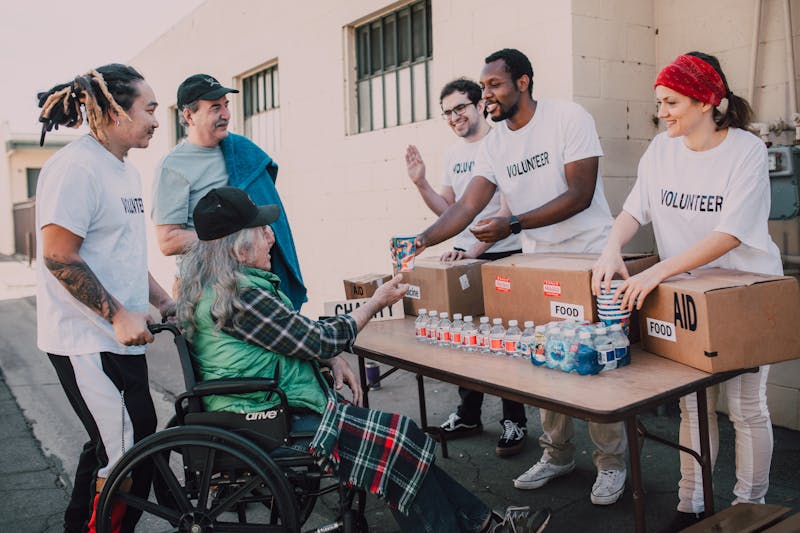
You don't have to sit alone. Germany has a growing and welcoming Muslim community, and communal Iftar is genuinely available in most cities.
- Mosques: DITIB, Milli Görüş, and independent mosques frequently host free or donation-based Iftar meals throughout Ramadan.
- Moroccan restaurants: Cities like Frankfurt, Düsseldorf, Hamburg, and Munich have Moroccan or North African restaurants that stay open late during Ramadan.
- University Mensa: If your Berufsschule is connected to a university campus, the Mensa sometimes has Iftar-friendly evening options.
- Online communities: Facebook groups like Marokkaner in Deutschland and WhatsApp networks often organise local Iftar meetups. These are also great for networking with other Moroccans doing Ausbildung.
Common Pitfalls: What People Get Wrong
1. Not telling their employer at all. Showing up visibly tired with no explanation leads to bad performance reviews. Transparency is always better.
2. Skipping Suhoor. Missing the pre-dawn meal makes a 17-hour fast nearly unbearable. Even a small meal of oats and water changes the entire day.
3. Eating the wrong foods at Iftar. After a long fast, it's tempting to overeat fatty or sugary food. This causes energy crashes and makes the next day harder. Break your fast lightly, then eat a proper meal an hour later.
4. Expecting the same legal rights as in Morocco. Germany won't pause for Ramadan, and demanding accommodation that isn't legally required will damage your professional relationships. Ask graciously, not assertively.
5. Neglecting mental health. Isolation during Ramadan — away from family, eating alone — is real. Seek out community actively. The mosque, Moroccan communities online, and even other fasting colleagues are all resources.
6. Letting Ramadan affect your Berufsschule performance. Missing assignments or failing tests during Ramadan can put your entire Ausbildung at risk. Plan exam prep before the month begins if possible.
You Can Do Both — Fast and Thrive in Your Ausbildung
Thousands of Muslim trainees across Germany complete Ramadan every year while maintaining their Ausbildung standards. It takes planning, honest communication, and self-knowledge — but it's absolutely possible. The experience also teaches you something valuable: how to navigate a workplace culture different from your own while staying true to who you are.
If you want help preparing for your Ausbildung application, writing a strong cover letter, or finding the right training company before Ramadan season, Book a consultation with our specialist and use our CV builder to take the next step toward working and living in Germany successfully.
Frequently asked questions
Share with your friends
Was this article helpful?
Comments
Most liked comments appear first.
Log in to join the discussion.
…
Read also
🕌 Religion & community
Praying at Work in Germany: Rights Every Muslim Employee Should Know
Learn your legal rights for praying at work in Germany, how to ask your employer for a prayer break, and what large German companies actually do.
2025-05-18

🕌 Religion & community
Moroccan Diaspora Associations in Germany: Your Complete Community Guide by City
Discover major Moroccan diaspora associations in Germany by city, consular resources, and community events to help you settle in confidently.
2025-04-14

🕌 Religion & community
Mosques in Germany's Major Cities: Your Complete Directory for Moroccan Muslims
Find mosques in Berlin, Munich, Hamburg, Frankfurt & Cologne — Friday prayer times, Arabic-speaking imams, and tips for Moroccan newcomers.
2025-02-05
🕌 Religion & community
Halal Food in Germany: Where to Buy It — Supermarkets, Butchers & Apps
Where to buy halal food in Germany — which supermarkets stock it, how to find halal butchers and Turkish/Arab grocers near you, spotting the halal label, and the best online halal delivery.
2025-01-03