Loading…
 Visa & Papers
German Student Visa Step by Step: Documents, Fees & Timeline
By the GoGermany Editorial Team · 2026-07-25
Complete guide to the Germany student visa: required documents, €75 fee, Sperrkonto proof, embassy interview tips, and how to convert it after arrival.
Studying in Germany is one of the smartest investments a non-EU student can make — tuition at public universities is mostly free, and the country sits among the world's top destinations for engineering, medicine, and business. But before you pack your bags, you need to navigate the Germany student visa process, and the paperwork, fees, and timelines can feel overwhelming without a clear roadmap. This guide walks you through every stage, from gathering documents to your first appointment at the Ausländerbehörde, so you arrive prepared and confident.
What Is the Germany Student Visa and Who Needs One?
The Germany student visa is a long-stay national (Type D) visa issued for the purpose of higher education. It is not a Schengen tourist visa — it allows you to stay in Germany for more than 90 days and acts as a bridge until you receive a full residence permit (Aufenthaltserlaubnis) after arrival. If you're unsure about the difference between the two visa categories, the National D Visa vs Schengen Visa: Which Does Germany Need? article explains it clearly.
Who must apply?
- Citizens of countries outside the EU/EEA and Switzerland
- Students accepted to a full-degree programme (Bachelor's, Master's, PhD) at a German state-recognised university or Hochschule
- Students enrolling in a recognised preparatory college (Studienkolleg)
Citizens of the USA, Canada, Australia, the UK, Japan, South Korea, Israel, and a handful of other nations can enter Germany visa-free and apply for the residence permit from inside the country — but they are the exception, not the rule.
Required Documents: The Complete Checklist
Every German embassy or consulate uses a core document list, though individual missions may request extras. Use the free Document Checklist tool to generate a personalised list based on your country and visa type. In general, expect to present the following:
University Admission
- Unconditional letter of admission (Zulassungsbescheid) from a German Hochschule — conditional offers are typically not accepted
- Proof of university enrolment, if already enrolled
Identity & Travel Documents
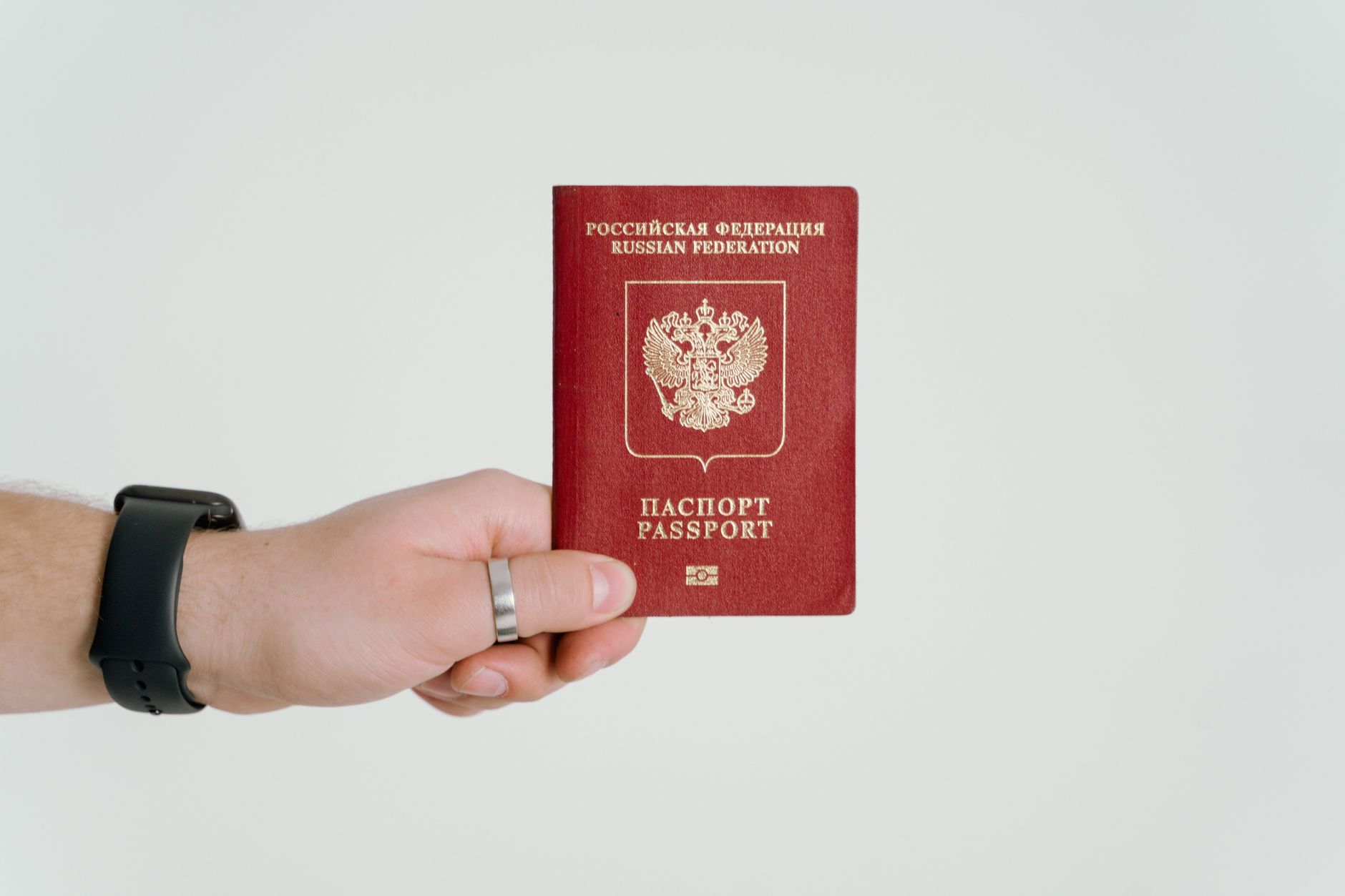
- Valid passport with at least two blank pages and validity extending six months beyond your intended stay
- Biometric passport photos (35 × 45 mm, white background, taken within the last six months)
- Completed and signed visa application form (available on the embassy website)
Academic Qualifications
- Certified copies and certified translations of your school-leaving certificate and any prior university transcripts
- If applicable, APS certificate — Indian, Chinese, and Vietnamese applicants must submit this academic verification document; see the APS Certificate Germany: Complete Guide for Indian Applicants for the full process
Language Proficiency
- For German-taught programmes: TestDaF, DSH, or Goethe-Zertifikat C1 results
- For English-taught programmes: IELTS (6.0+) or TOEFL results plus proof the programme is officially English-medium
Financial Proof
- Blocked account (Sperrkonto) certificate showing €11,904 (the 2025 annual requirement — €992/month × 12) — more on this below
- OR a formal scholarship letter covering full living costs (e.g., DAAD, Deutschlandstipendium)
Health Insurance
- Proof of travel health insurance valid from entry until you obtain German statutory health insurance (gesetzliche Krankenversicherung)
Other Documents
- Completed cover letter (Motivationsschreiben) explaining your study plans and why Germany
- CV in German format (the free CV Builder outputs a standards-compliant Lebenslauf)
- Proof of accommodation in Germany (university dormitory reservation or rental contract)
The €75 Fee and the Sperrkonto: What You'll Actually Pay
Visa Application Fee
The national student visa costs €75, payable at the embassy appointment — usually in local currency at the current exchange rate. This fee is non-refundable, even if the visa is denied. Some visa centres (e.g., VFS Global) charge an additional service fee of €20–30 on top.
The Sperrkonto Requirement
A Sperrkonto (blocked account) is a special German bank account from which you can withdraw only a fixed monthly allowance (currently €992). It proves to the embassy that you can support yourself without working illegally. You must deposit at least €11,904 before submitting your application.
Popular providers and typical one-time setup fees:
| Provider | Setup Fee | Monthly Release |
|---|---|---|
| Fintiba | €89 | €992 |
| Expatrio | €89 | €992 |
| Deutsche Bank (Studikonto) | €0–30 | €992 |
| Coracle | €99 | €992 |
Compute your exact amount — especially if your programme starts mid-year — with the free Sperrkonto Calculator.
Tip: Open the Sperrkonto at least 4–6 weeks before your appointment. The bank transfers the confirmation letter to you by post or email; without it, the embassy cannot accept your application.
The Step-by-Step Application Process
Following this sequence prevents the most common delays:
- Receive your Zulassungsbescheid from a German Hochschule.
- Open your Sperrkonto and deposit €11,904 (or more if your course is longer than 12 months).
- Book your embassy or VFS appointment — wait times vary from 2 weeks (some Eastern European missions) to 12+ weeks (South Asia, Africa). Book as soon as you have your admission letter.
- Gather and certify all documents. Have originals and certified photocopies. Translations must be done by a certified sworn translator.
- Attend the appointment. Arrive 10 minutes early. Bring every document, including originals. Pay the €75 fee.
- Wait for processing. Standard processing is 6–12 weeks after a complete application is submitted. Track your status via the embassy's online portal or the visa centre.
- Collect your visa. The D visa sticker is valid for 3 months; you must use it to enter Germany and then convert it to a residence permit.
For a personalised month-by-month preparation schedule, the Migration Timeline tool is especially useful if you have a fixed semester start date.
Embassy Interview Tips
Not every applicant is called for an interview — but many are, especially from South and Southeast Asia, Africa, and parts of the Middle East. If you receive an interview invitation, treat it as seriously as a job interview.
What Consular Officers Actually Ask
- Why did you choose this specific university and this specific programme?
- Why Germany rather than studying in your home country or another English-speaking country?
- What are your plans after graduation — do you intend to return home?
- How will you fund your living expenses beyond the Sperrkonto?
- Do you speak any German?
How to Prepare
- Know your programme inside out. Read the curriculum, name professors, explain why the specialisation suits your career goals.
- Be clear and honest about your return plans — but you don't need to promise you'll leave; you can mention work opportunities in Germany after graduation if that's your genuine intent.
- Practise in front of a mirror or with a friend. Fluency and confidence matter.
- Bring copies of everything. Officers may ask to see documents you've already submitted.
- Dress professionally. First impressions matter in formal embassy settings.
After Arrival: Converting to a Residence Permit (Aufenthaltserlaubnis)
Your D visa is a temporary entry document — once in Germany, you have 90 days to register and apply for the Aufenthaltserlaubnis für Studierende (§16b AufenthG). Failing to do so on time is one of the most common mistakes new students make.
Step 1: Anmeldung (City Registration)
Within two weeks of moving into your accommodation, register your address at the local Einwohnermeldeamt (citizens' registration office). You'll receive a Meldebescheinigung — this document is required for almost everything else: bank accounts, health insurance, and the residence permit application.
Step 2: Enrol in Health Insurance
Register with a statutory insurer (gesetzliche Krankenversicherung) such as TK (Techniker Krankenkasse), AOK, or BARMER. Student rates are currently around €120–130/month. The Health Insurance Chooser helps you compare public vs. private options for students.
Step 3: Apply at the Ausländerbehörde
Book an appointment at your city's Ausländerbehörde (foreigners' registration office). Bring:
- Passport and current D visa
- Meldebescheinigung
- Proof of enrolment (Immatrikulationsbescheinigung)
- Proof of health insurance
- Biometric photos
- Sperrkonto statement showing the required balance
- Fee: €100 (one-time for the Aufenthaltserlaubnis)
The permit is usually issued for the duration of your programme plus three months. If processing takes longer than your D visa allows, the Ausländerbehörde will give you a Fiktionsbescheinigung — a bridging document that keeps you legal in the interim. See Fiktionsbescheinigung Germany: Stay Legal While Your Permit Processes for details.
After Your Studies: What Comes Next?
Once you graduate, you can extend your residence permit by 18 months to look for a job (job-seeker extension under §20 AufenthG). After finding employment, you can switch to a skilled-worker permit or EU Blue Card. The article From Student Visa to Work Permit in Germany: How to Switch covers that transition in detail.
Common Mistakes That Get Applications Rejected or Delayed
- Submitting a conditional admission letter. Many universities send conditional offers first; the embassy requires the final, unconditional Zulassungsbescheid.
- Insufficient Sperrkonto balance. Some applicants deposit exactly €11,904 but forget the bank deducts setup fees, leaving the balance short. Always overshoot slightly.
- Expired or mistranslated documents. Translations must be by certified translators; Google Translate printouts will get you rejected.
- Booking an appointment before having the Sperrkonto confirmation. Embassy slots are scarce — don't waste one by arriving without all documents.
- Missing the Anmeldung deadline. Failing to register your address within two weeks can complicate your Aufenthaltserlaubnis application and generate fines.
- Not enrolling in statutory health insurance immediately. Travel insurance is only accepted for the visa stage — it does not satisfy the Ausländerbehörde requirement.
- Ignoring the APS requirement (Indian, Chinese, and Vietnamese nationals). This certificate takes 4–8 weeks; many applicants overlook it until the last minute.
Conclusion
The Germany student visa process has many moving parts, but it follows a logical sequence: get admitted, fund your Sperrkonto, book your embassy appointment, nail the interview, then convert your visa to a residence permit within 90 days of arrival. Students who plan 4–6 months ahead and prepare their documents meticulously rarely face rejections or delays. If you're still weighing up cities, budgets, or programme types, the Living Cost Calculator gives you realistic monthly figures for Munich, Berlin, Hamburg, and beyond.
Ready to start? GoGermany's free tools — from the Sperrkonto Calculator to the Document Checklist — are built specifically to make this process faster and less stressful. Begin your journey today, and let us handle the complexity while you focus on your future in Germany.
Try this free tool
Eligibility checker
See where you stand for the German visa — readiness score and exact blockers
Frequently asked questions
Share with your friends
Was this article helpful?
Comments
Most liked comments appear first.
Log in to join the discussion.
…
Read also
Visa & Papers
Chancenkarte from Saudi Arabia: Points, Process and Costs
How professionals in Saudi Arabia — Saudi and expat alike — get Germany's Chancenkarte in 2026: the two routes, 6-point table, ~€13,000 Sperrkonto, the Riyadh/Jeddah process and full costs.
2026-08-05

Visa & Papers
USA vs Germany: Should You Move? Salary, Cost & Lifestyle
An honest 2026 comparison of the USA and Germany for anyone deciding where to live and work — salary vs take-home pay, healthcare, housing, paid leave, job security and work-life balance.
2026-08-05

Visa & Papers
Chancenkarte from Chile: Points, Process and Costs
How Chilean jobseekers can get Germany's Chancenkarte in 2026: the two routes, the six-point scoring table, the roughly 13,000 euro Sperrkonto, and an eight-step process through the German Embassy in Santiago.
2026-08-05

Visa & Papers
Student Visa from Canada: Sperrkonto and Documents
Applying for a student visa to Germany from Canada? Learn if you even need one, the €11,904 Sperrkonto, the documents, and where to apply.
2026-07-27

Visa & Papers
Post-Study 18-Month Job-Seeker Residence: Use It Right
How Germany's post-study 18 month job seeker visa works: who qualifies, how to apply, costs, and how to switch to a Blue Card.
2026-07-27
Visa & Papers
Student Visa from Australia: Sperrkonto and Documents
Student visa Germany Australia guide: Australians enter visa-free and apply for the permit after arrival. Sperrkonto amount, documents and timelines.
2026-07-27

Visa & Papers
Student Visa from Lebanon: Sperrkonto and Documents
A 2026 guide to the German student visa from Lebanon: Sperrkonto amount, documents, and how to move money out despite the banking crisis.
2026-07-27

Visa & Papers
Student Visa from Peru: Sperrkonto and Documents
A step-by-step student visa Germany Peru guide: Sperrkonto amount, apostille of diplomas, Embassy Lima appointments, the €75 fee and timeline.
2026-07-27