Loading…
 Visa & Papers
Chancenkarte from South Africa: Points, Process and Costs
By the GoGermany Editorial Team · 2026-08-03
A practical 2026 guide to Germany's Chancenkarte for South Africans: how the points system works, the proof of funds you need, the documents to gather, and what it all costs.
The Chancenkarte (opportunity card) is Germany's points-based visa that lets qualified people move to Germany to look for work — without a job offer in hand. For South Africans tired of loadshedding, a weak rand and a tight local job market, it is one of the most realistic legal routes into the German labour market. This guide explains the points system, the step-by-step process, the 2026 costs and the documents you need to apply from South Africa.
What the Chancenkarte actually is
The Chancenkarte was introduced under Germany's Fachkräfteeinwanderungsgesetz (Skilled Immigration Act) as part of a wider reform to attract skilled workers. It gives you a residence permit (Aufenthaltstitel) of up to 12 months to be in Germany and search for a job that matches your qualifications. During that time you may work part-time up to 20 hours per week and do trial jobs (Probebeschäftigung) of up to two weeks with a potential employer.
There are two ways to qualify:
- The fast track: if you are a fully recognised skilled worker — meaning your foreign qualification is officially equivalent to a German one, or you hold a German qualification — you get the Chancenkarte without needing to score points.
- The points track: if you are not (yet) fully recognised but have solid qualifications, you enter a points system and need at least six points to qualify.
The points system explained
To use the points route you must first meet the basic entry conditions: a recognised foreign university degree or vocational qualification (at least two years of training), plus A1-level German or B2-level English. Meet those, and you then collect points across several categories. You need 6 points minimum.
| Criterion | Points |
|---|---|
| Partial recognition of your qualification, or a regulated-profession permit to practise | 4 |
| Qualification in a shortage occupation (Engpassberuf) | 1 |
| Professional experience: 2 years (in the last 5) | 2 |
| Professional experience: 5 years (in the last 7) | 3 |
| German language B2 | 3 |
| German language B1 | 2 |
| German language A2 | 1 |
| English language C1 (if not your native language) | 1 |
| Age 35 or under | 2 |
| Age 36–40 | 1 |
| Previous legal stay in Germany (min. 6 months, not for tourism) | 1 |
| Potential of an accompanying spouse/partner (they also meet the requirements) | 1 |
For most South African applicants the realistic winning combination is: a recognised degree or trade qualification, a few years of experience, a German language certificate (even A2 or B1 helps a lot), and the age bonus if you are under 41. You can check where you stand with the GoGermany eligibility checker before you spend money on translations.
Proof of funds — the money you must show
Because you arrive without a salary, you must prove you can support yourself for the 12 months. In 2026 the accepted amount is roughly €1,091 per month, so about €13,092 for a full year. You can demonstrate this in one of two ways:
- A blocked account (Sperrkonto) with the full annual amount deposited, released to you in monthly instalments. Providers such as Fintiba, Expatrio or Coracle open these for South Africans. Use the GoGermany Sperrkonto calculator to confirm the current figure.
- A formal declaration of commitment (Verpflichtungserklärung) from someone in Germany who guarantees your living costs, or an equivalent proof such as a part-time work contract combined with savings.
If you take a 20-hour job during the search, that income can reduce how much you need to show — but plan for the full Sperrkonto amount to be safe, because the exact requirement is decided by the German mission in Pretoria.
Documents to gather in South Africa
Start collecting early — some steps (qualification recognition, apostilles) take weeks. You will typically need:
- A valid South African passport with at least two blank pages.
- Your degree or vocational certificates and academic transcripts.
- A statement of comparability from ZAB / anabin (Germany's central office for foreign education) showing your qualification is recognised or comparable. Check your institution and degree in the anabin database first.
- Proof of professional experience — reference letters, contracts, payslips.
- A German or English language certificate (Goethe, telc, TestDaF for German; IELTS/TOEFL for English).
- Proof of funds (Sperrkonto confirmation or Verpflichtungserklärung).
- Health insurance valid for the search period.
- A completed national visa application form, biometric photos and your CV and motivation letter.
Documents issued in South Africa usually need to be apostilled (via DIRCO) and, if not in German or English, officially translated. Getting your CV into German-market shape helps — the GoGermany CV builder and cover-letter generator produce documents in the format German recruiters expect.
The step-by-step process from South Africa
- Check your eligibility. Confirm your degree in anabin, tally your points, and decide fast-track vs points route.
- Get your qualification assessed if needed (ZAB statement of comparability, or profession-specific recognition for regulated jobs like nursing or medicine).
- Boost your score where cheap and fast — an A2/B1 German certificate can be the difference between 5 and 7 points. Start with learn German.
- Arrange proof of funds (open a Sperrkonto or secure a Verpflichtungserklärung).
- Book a national visa appointment at the German Embassy in Pretoria or the Consulate General in Cape Town via the official portal. Appointment waits can be long, so book as soon as your documents are ready.
- Attend the appointment, submit documents and biometrics, and pay the fee.
- Receive your visa, travel to Germany, do your Anmeldung (address registration) and, if needed, convert the entry visa into the Chancenkarte residence permit at the local Ausländerbehörde (foreigners' office).
- Job hunt for up to 12 months; once you have a qualifying offer, switch to a work permit or an EU Blue Card (Blaue Karte EU).
2026 costs — what to budget
| Item | Approximate cost |
|---|---|
| Chancenkarte / national visa fee | €75 |
| ZAB statement of comparability | €200 |
| Certified translations | €20–€60 per document |
| Apostille (DIRCO) | R300+ per document |
| German language course & exam | R5,000–R20,000+ |
| Sperrkonto (blocked account) | ~€13,092 (returned to you monthly) |
| Sperrkonto set-up fee | €50–€150 |
| Health insurance (search period) | €30–€130 per month |
| Flights Johannesburg/Cape Town → Germany | R8,000–R18,000 |
The Sperrkonto money is not a cost — it comes back to you monthly once you are in Germany. The genuine out-of-pocket outlay is realistically €500–€1,500 plus the deposit you temporarily park in the blocked account.
After you land a job
The Chancenkarte is a bridge, not the destination. Once you receive a qualifying offer, you convert to a longer-term permit: a standard work visa, or — if you earn above the threshold (around €48,300 in 2026, lower for shortage occupations) — the EU Blue Card, which is the fastest path to permanent residence. Interview well and negotiate your package; the GoGermany interview prep resources are built around German hiring norms.
The Chancenkarte is not a guaranteed job, but for skilled South Africans it removes the biggest hurdle — you no longer need an employer to sponsor you before you can even set foot in Germany. Prepare your documents carefully, push your points as high as you reasonably can, and treat the 12 months as a focused, full-time job search.
Try this free tool
Eligibility checker
See where you stand for the German visa — readiness score and exact blockers
Frequently asked questions
Share with your friends
Was this article helpful?
Comments
Most liked comments appear first.
Log in to join the discussion.
…
Read also
Visa & Papers
Chancenkarte from Chile: Points, Process and Costs
How Chilean jobseekers can get Germany's Chancenkarte in 2026: the two routes, the six-point scoring table, the roughly 13,000 euro Sperrkonto, and an eight-step process through the German Embassy in Santiago.
2026-08-05

Visa & Papers
USA vs Germany: Should You Move? Salary, Cost & Lifestyle
An honest 2026 comparison of the USA and Germany for anyone deciding where to live and work — salary vs take-home pay, healthcare, housing, paid leave, job security and work-life balance.
2026-08-05

Visa & Papers
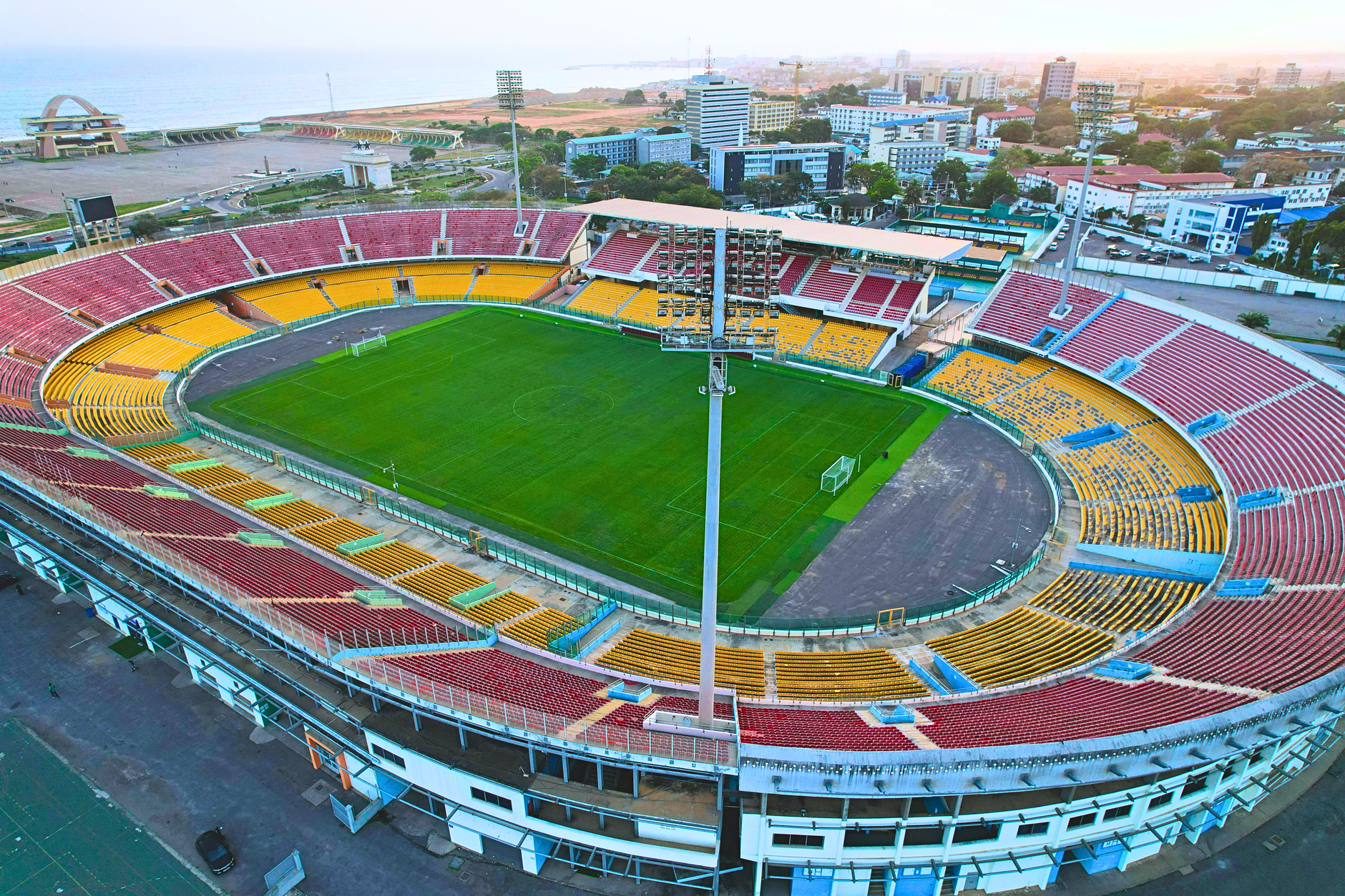
Chancenkarte from Ghana: Points, Process and Costs
How Ghanaian professionals get Germany's Chancenkarte: full recognition vs the points track, the six-point table, a ~€13,000 Sperrkonto, the eight-step Accra Embassy process and 2026 costs.
2026-08-05
Visa & Papers
Chancenkarte from Nepal: Points, Process and Costs
Step-by-step guide to Germany's Chancenkarte for Nepali applicants: points system, Sperrkonto, documents, German Embassy Kathmandu, and real costs.
2026-07-31

Visa & Papers
Chancenkarte from India: Points, Process and Costs
Complete guide to Germany's Chancenkarte for Indian applicants: points system, Sperrkonto requirements, VFS Global process, costs, and 12-month job hunt tips.
2026-07-31

Visa & Papers
Chancenkarte from Bangladesh: Points, Process and Costs
Complete guide to applying for Germany's Chancenkarte from Bangladesh: points system, Sperrkonto, embassy process, and 12-month job search tips.
2026-07-31
Visa & Papers
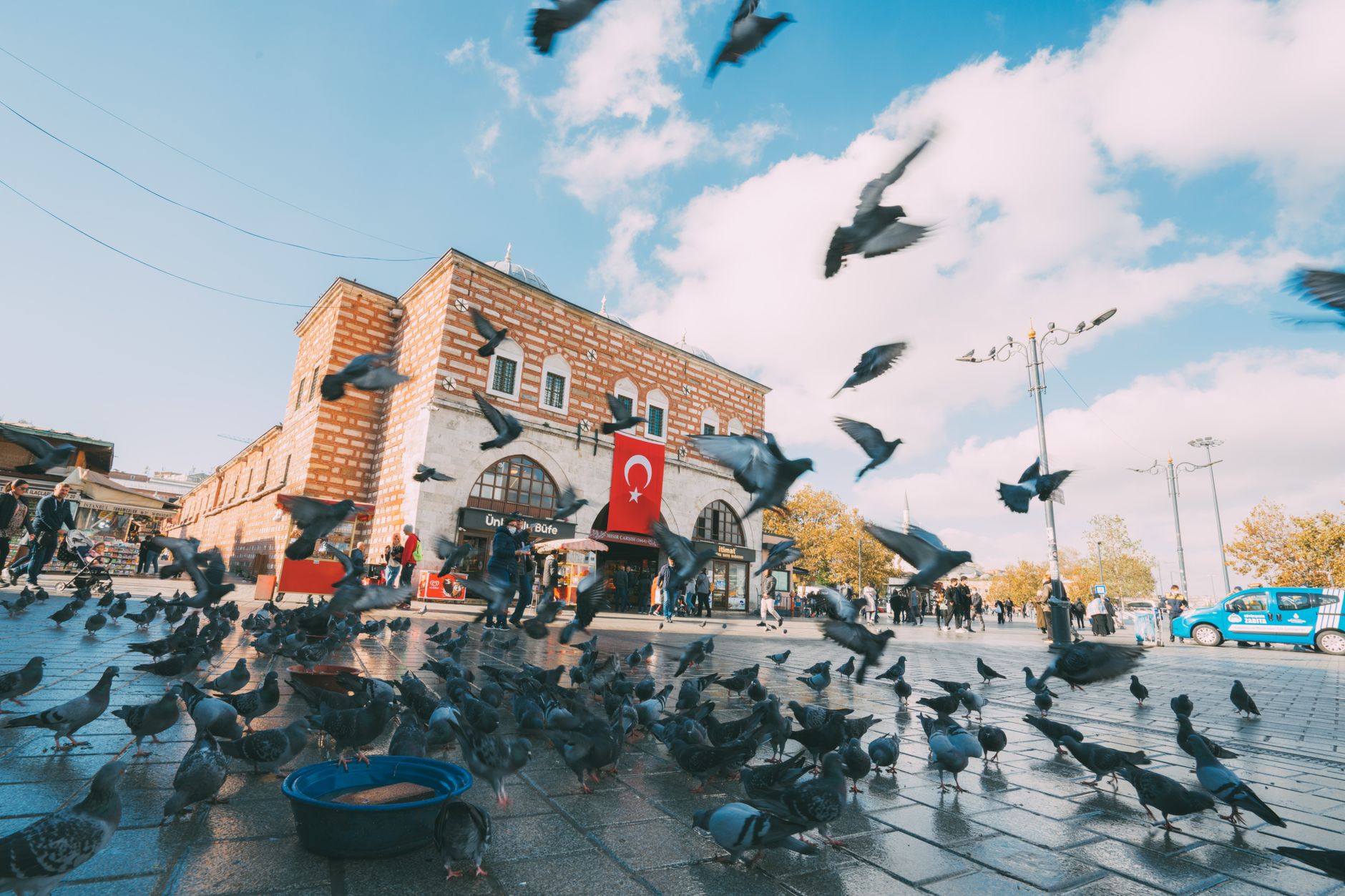
Chancenkarte from Turkey: Points, Process and Costs
Step-by-step guide to Germany's Chancenkarte for Turkish applicants: points calculation, required documents, Sperrkonto, and the 12-month job search.
2026-07-30
Visa & Papers
Chancenkarte from Morocco: Points, Process and Costs
Learn how Moroccan professionals can apply for Germany's Chancenkarte: points system, Sperrkonto, embassy steps in Rabat, and the 12-month job search.
2026-07-29