Loading…
 Visa & Papers
Chancenkarte from Côte d'Ivoire: Points, Process and Costs
By the GoGermany Editorial Team · 2026-08-05
A practical 2026 guide for Ivorian jobseekers on Germany's Chancenkarte: the two routes, the six-point system, Sperrkonto proof of funds, and the full cost of applying from Abidjan.
Germany's Chancenkarte (opportunity card) lets qualified people move to Germany to look for work without already holding a job offer. For applicants in Côte d'Ivoire — who are third-country nationals and therefore need a German residence permit to work — it is one of the most flexible legal routes into the German labour market. You arrive on a residence permit, spend up to 12 months job-hunting, and can take part-time or trial work while you search. This guide explains the two routes, the points system, the step-by-step process from Abidjan, and what it all costs in 2026.
Two routes to the Chancenkarte
The Chancenkarte is a residence permit for the purpose of seeking employment, created under Germany's Fachkräfteeinwanderungsgesetz (Skilled Immigration Act). There are two distinct ways an Ivorian applicant can qualify:
- Route 1 — Full recognition (Anerkennung): your foreign qualification is officially assessed as equivalent to a German one. If you hold a full Anerkennung (formal recognition of your diploma or vocational training), you are treated as a recognised skilled worker and can receive the Chancenkarte without going through the points calculation at all. This is the cleaner path when your degree or trade certificate maps onto a German equivalent.
- Route 2 — Points track: you do not yet have full recognition, but you meet a minimum of 6 points based on your qualifications, experience, language skills, age and ties to Germany. This route suits applicants whose diploma is only partially recognised, or who are still building their German.
Either way you must prove you can support yourself financially during the search and, in most cases, show basic German (A1) or good English (B2).
The six-point system
On the points track you need at least 6 points, added up across the categories below. Exact wording comes from the responsible authorities, so treat this as a planning guide and estimate your own total with our Chancenkarte calculator.
| Criterion | Points |
|---|---|
| Partial recognition of your qualification (Teil-Anerkennung) | 4 |
| Qualification in a shortage / regulated occupation | 1 |
| Good German (B2) | 3 |
| Basic German (A1) | 1 |
| Good English (C1 or native) | 1 |
| At least 2 years' work experience (last 5 years) | 2 |
| At least 5 years' work experience (last 7 years) | 3 |
| Under 35 years old | 2 |
| 35–40 years old | 1 |
| Previous qualifying stay in Germany (min. 6 months) | 1 |
| Spouse/partner also meets the requirements and applies with you | 1 |
A typical Ivorian applicant might combine, for example, a partially recognised diploma (4), two years' experience (2) and A1 German (1) to clear the bar comfortably. Before you commit to paperwork, run the numbers with our eligibility checker.
Baseline requirements (before points count): a recognised foreign university degree or at least two years of vocational training recognised in your home country, plus at least A1 German or B2 English.
Proof of funds — the Sperrkonto
Because you arrive without a salary, you must show you can cover living costs. In practice this means a Sperrkonto (blocked account) or an equivalent proof such as a formal sponsorship declaration (Verpflichtungserklärung).
For 2026, budget roughly €1,091 per month, so about €13,000 for the full 12 months held in the blocked account. The figure is tied to Germany's official maintenance rate and can rise slightly year to year, so always confirm the current amount when you apply. Use our Sperrkonto calculator to work out the total and compare providers.
The blocked-account money is your own money, released to you in monthly instalments after you arrive — it is not a fee. You may also work up to 20 hours per week and take two-week trial jobs (Probebeschäftigung) with employers during the search, which helps stretch your funds.
Step-by-step: applying from Abidjan
Ivorian applicants apply through the German Embassy in Abidjan (Ambassade d'Allemagne), which handles national visas for Côte d'Ivoire. Documents issued locally usually need legalisation and certified German translations, so start early.
- Check your route and points. Decide whether you qualify for full Anerkennung (Route 1) or need the 6-point track (Route 2), and tally your points.
- Get your qualification assessed. Use the anabin database and, where relevant, apply for recognition (Anerkennung) or partial recognition through the responsible German body. This is the step Ivorian applicants most often underestimate on time.
- Legalise your civil and academic documents. Diplomas, transcripts and civil-status records issued in Côte d'Ivoire typically require legalisation (via the Ivorian authorities and the German Embassy) so they are accepted in Germany.
- Get certified translations. Have your legalised documents translated into German by a sworn/certified translator (beglaubigte Übersetzung).
- Prove your language level. Sit an A1 German exam — the Goethe-Institut operates in Abidjan — or provide a B2 English certificate such as IELTS/TOEFL. Our learn German course can get you to A1 quickly.
- Open a Sperrkonto and deposit the required amount, or arrange a Verpflichtungserklärung from a sponsor in Germany.
- Compile the file and book your appointment. Complete the national (D) visa application, gather your documents, and book your slot at the German Embassy in Abidjan.
- Travel, register and finalise. After arrival, do your Anmeldung (address registration) and confirm the Chancenkarte at the local Ausländerbehörde (foreigners' office).
Documents checklist
- Valid Ivorian passport (sufficient validity, blank pages)
- Completed national visa application form and biometric photos
- Proof of qualification: degree certificate, transcripts or vocational certificates (legalised + certified German translation)
- Proof of recognition or anabin printout showing your degree status
- Language certificate (German A1 or English B2)
- Proof of funds: Sperrkonto confirmation or Verpflichtungserklärung
- CV in the German/European format — our CV builder produces a compliant one
- Health insurance covering the initial period
- Motivation/cover letter outlining your job-search plan — try the cover-letter generator
The costs in 2026
Fees are set in euros; the equivalents in XOF (CFA franc) below use a rough guide rate of €1 ≈ 656 XOF (the CFA franc is pegged to the euro, so this is stable). Confirm exact amounts when you apply.
| Item | Cost (EUR) | Approx. XOF (CFA) |
|---|---|---|
| National (D) visa fee | €75 | ~49,000 |
| Chancenkarte residence permit (issued in Germany) | up to €100 | ~66,000 |
| Sperrkonto — 12 months of funds | ~€13,000 (returned monthly) | ~8,530,000 |
| Sperrkonto provider setup fee | €50–€150 | ~33,000–98,000 |
| Recognition of qualification (Anerkennung) | €100–€600 | ~66,000–394,000 |
| Legalisation + certified translations | €20–€60 per document | ~13,000–39,000 each |
| Language exam (A1 / IELTS) | €80–€250 | ~52,000–164,000 |
| Health insurance (travel/initial) | €30–€120 per month | ~20,000–79,000 |
The Sperrkonto sum is your own money that you draw down after arrival. Budget the visa, permit, recognition, legalisation, translations, exams and insurance as genuine out-of-pocket costs, plus the blocked-account deposit.
After you arrive: switching to a work permit
The Chancenkarte gives you up to 12 months to find a qualified job. Once you have a suitable offer, you switch to a work-based residence title — most often the Blaue Karte EU (EU Blue Card) if your salary and qualification meet its thresholds, or a standard skilled-worker permit. If you already have a concrete offer or contract, a short extension of up to 24 months is possible.
Where is the demand? German employers are actively short of staff in healthcare (nurses, carers, doctors), engineering, IT and software, and the skilled trades (electricians, welders, mechatronics, construction). Ivorian applicants with a qualification and some German in one of these fields have a realistic shot at converting the search into a Blue Card offer. Prepare for interviews and keep improving your German — our interview prep resources help you turn applications into offers before the clock runs out.
Is the Chancenkarte right for you?
If you have a solid qualification but no German employer yet, the Chancenkarte is usually the most direct legal way to test the market from inside Germany. The two things Ivorian applicants should start early are recognition and legalisation of documents and saving for the Sperrkonto — both take time. Get those moving, secure a full Anerkennung or clear six points, and the rest is largely paperwork.
Try this free tool
Eligibility checker
See where you stand for the German visa — readiness score and exact blockers
Frequently asked questions
Share with your friends
Was this article helpful?
Comments
Most liked comments appear first.
Log in to join the discussion.
…
Read also
Visa & Papers
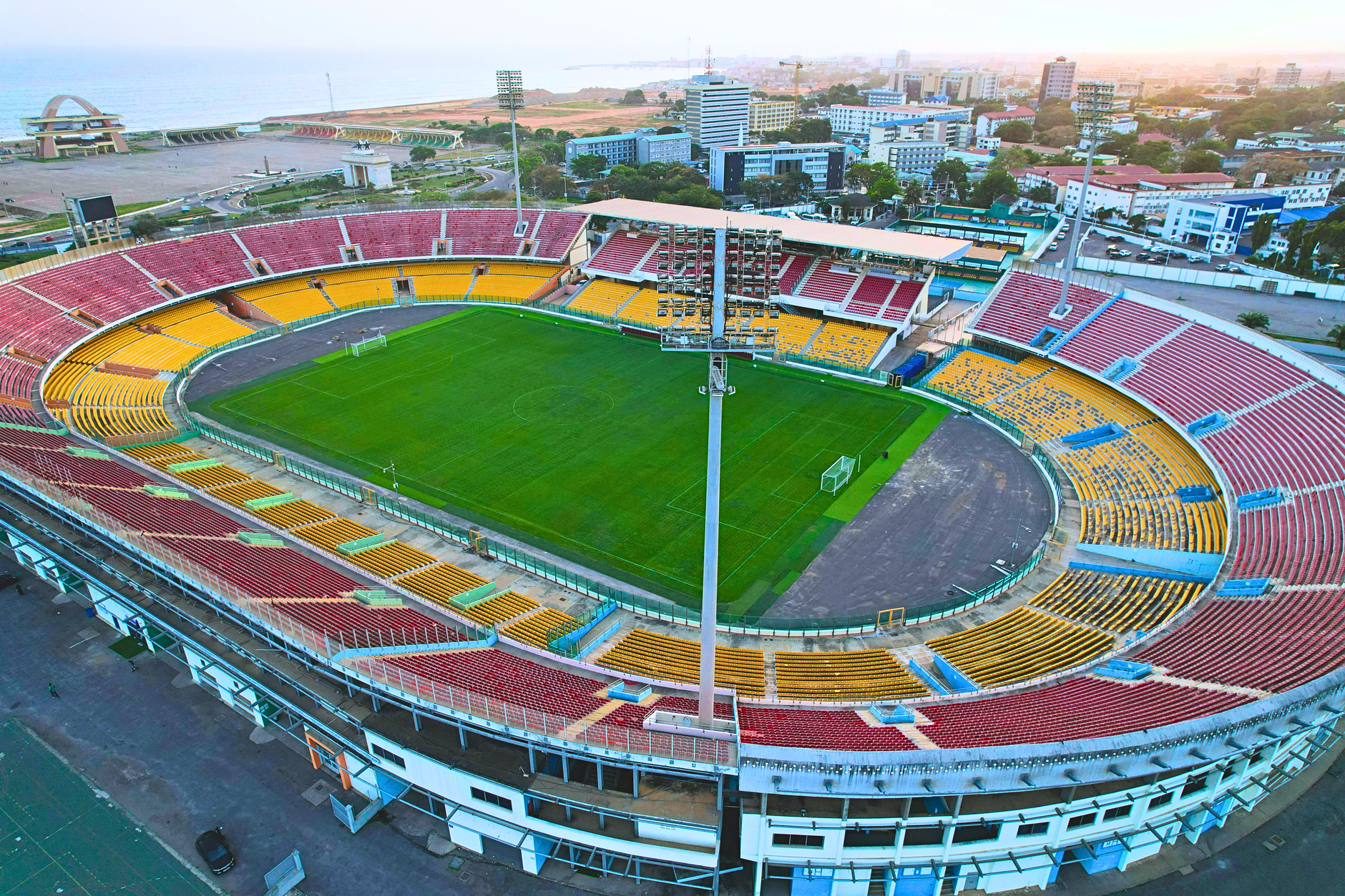
Chancenkarte from Ghana: Points, Process and Costs
How Ghanaian professionals get Germany's Chancenkarte: full recognition vs the points track, the six-point table, a ~€13,000 Sperrkonto, the eight-step Accra Embassy process and 2026 costs.
2026-08-05
Visa & Papers
USA vs Germany: Should You Move? Salary, Cost & Lifestyle
An honest 2026 comparison of the USA and Germany for anyone deciding where to live and work — salary vs take-home pay, healthcare, housing, paid leave, job security and work-life balance.
2026-08-05

Visa & Papers
Chancenkarte from Chile: Points, Process and Costs
How Chilean jobseekers can get Germany's Chancenkarte in 2026: the two routes, the six-point scoring table, the roughly 13,000 euro Sperrkonto, and an eight-step process through the German Embassy in Santiago.
2026-08-05

Visa & Papers
Chancenkarte from Saudi Arabia: Points, Process and Costs
How professionals in Saudi Arabia — Saudi and expat alike — get Germany's Chancenkarte in 2026: the two routes, 6-point table, ~€13,000 Sperrkonto, the Riyadh/Jeddah process and full costs.
2026-08-05

Visa & Papers
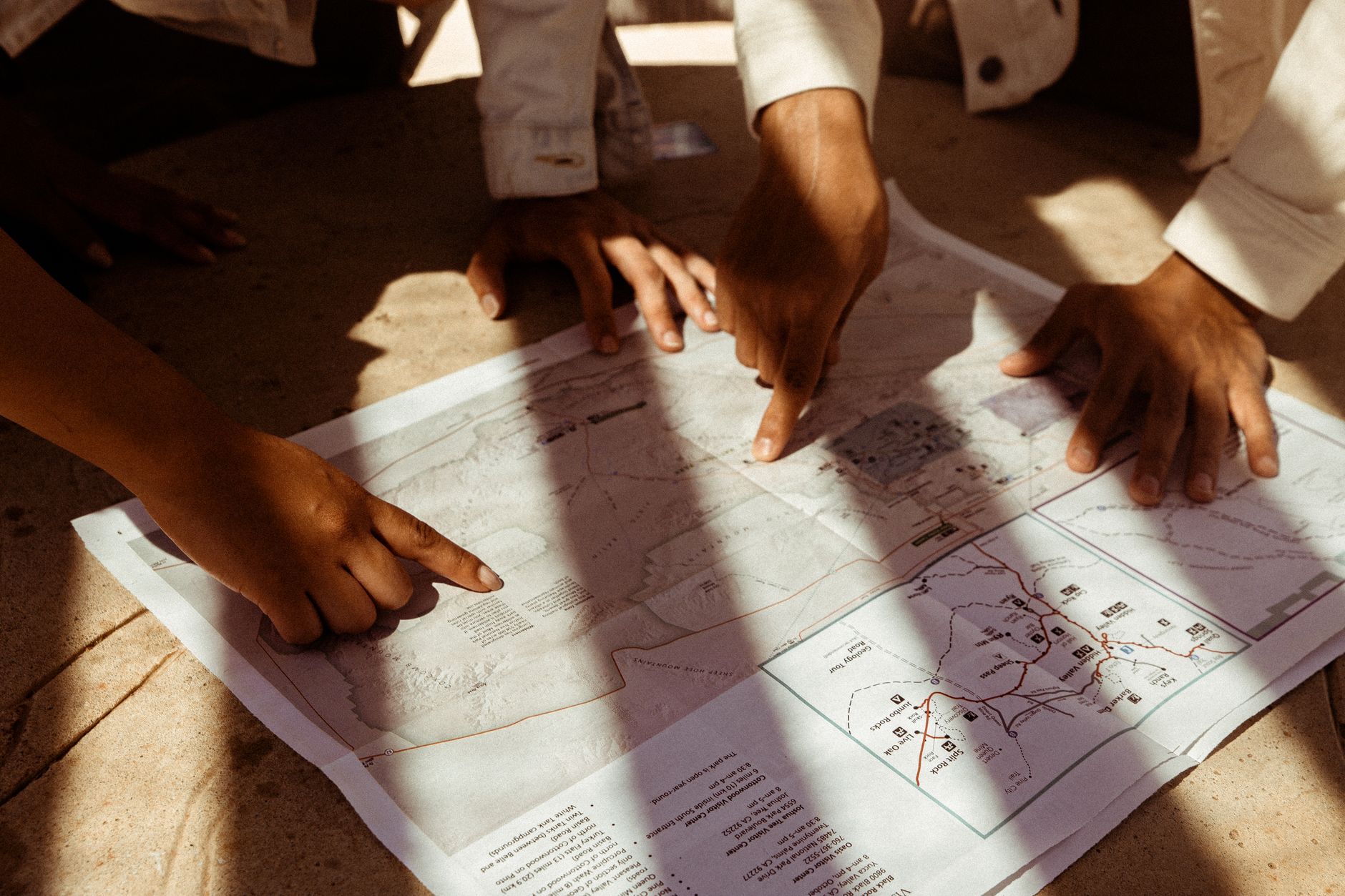
Chancenkarte from Senegal: Points, Process and Costs
How Senegalese professionals can use Germany's Chancenkarte (Opportunity Card): the two routes, the six-point system, ~€13,000 proof of funds, and a step-by-step process through the Embassy in Dakar.
2026-08-05
Visa & Papers
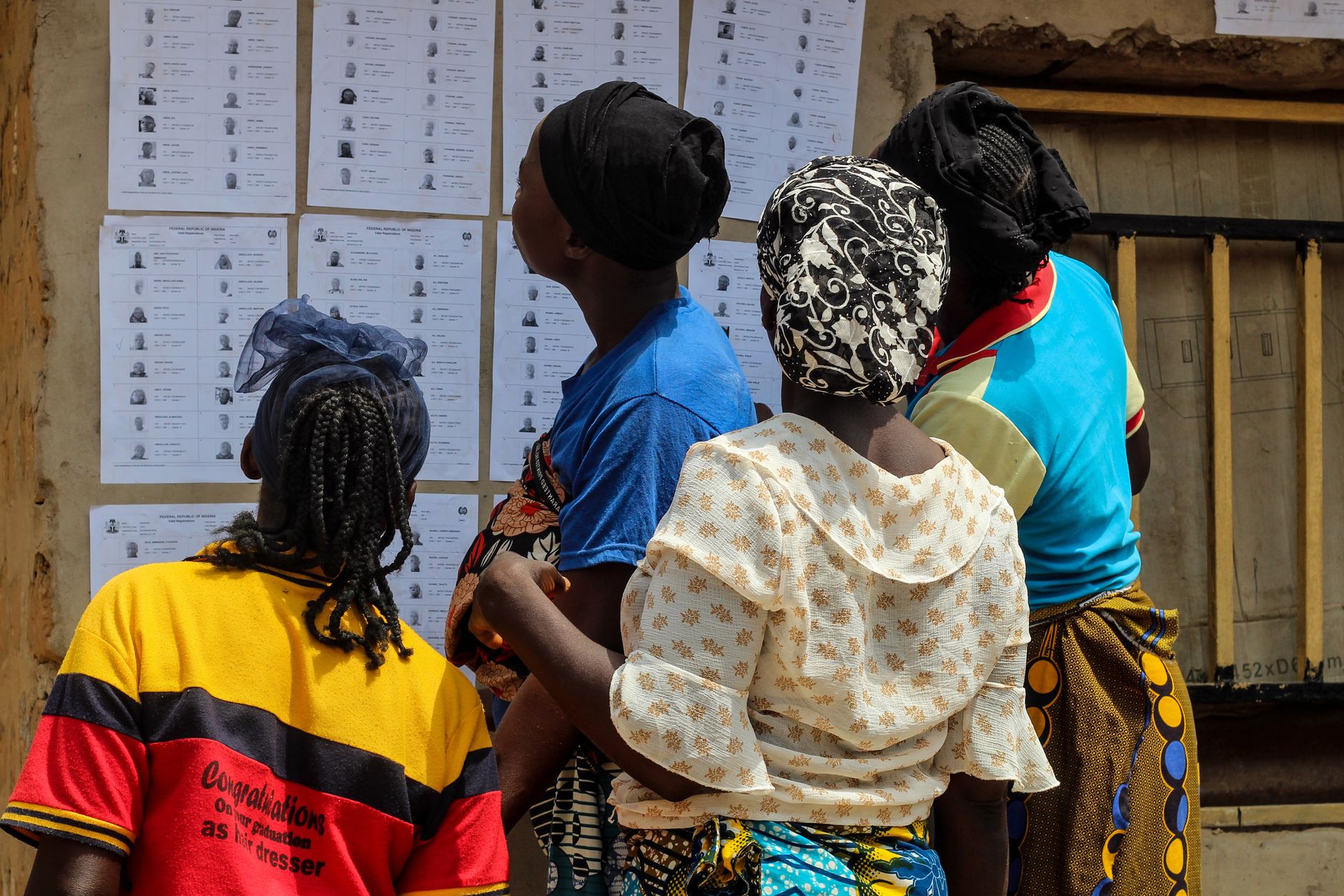
Chancenkarte from Cameroon: Points, Process and Costs
How Cameroonians can use Germany's Chancenkarte: full recognition vs the points track, the 6-point table, the ~€13,000 Sperrkonto, and an 8-step process via the Yaoundé embassy.
2026-08-05
Visa & Papers
Chancenkarte from the UAE: Points, Process and Costs
How expats and Emiratis in the UAE can use Germany's Chancenkarte: full recognition vs the points track, the 6-point table, the ~€13,000 Sperrkonto, and an 8-step process via Abu Dhabi and Dubai.
2026-08-05
Visa & Papers
Chancenkarte from Lebanon: Points, Process and Costs
A practical 2026 guide for Lebanese professionals: how the Chancenkarte points system works, the ~€13,000 blocked account, and the Beirut embassy process step by step.
2026-08-05