Loading…
 Jobs
JobsWorking as a Butcher in Germany: Salary, Visa and Demand
By the GoGermany Editorial Team · 2026-08-03
A practical 2026 guide to becoming a butcher (Fleischer) in Germany: salaries by region, visa routes, getting your qualification recognised, and how to apply from abroad.
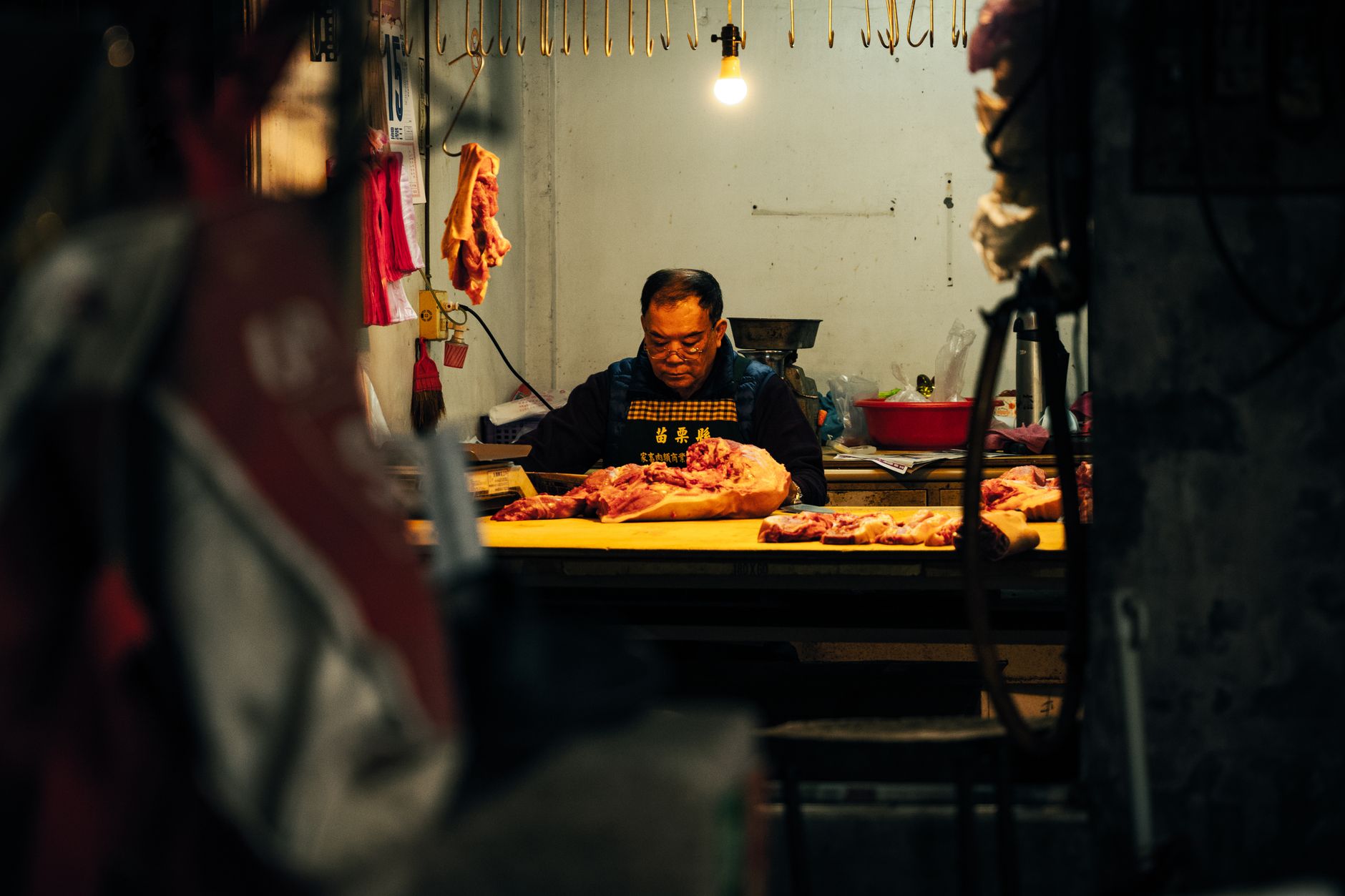
Germany has a real and often overlooked shortage of skilled Fleischer (butchers, also called Metzger in southern Germany). From traditional neighbourhood butcher shops to large meat-processing plants and supermarket meat counters, employers struggle to fill positions — which makes this a genuine route to living and working in Germany for people coming from abroad. This guide covers 2026 pay by region, the visa options, how to get your training recognised, and how to apply before you arrive.
Is butchery a good career in Germany?
Yes, if you like hands-on, physical work and want stable, long-term demand. The German meat trade (Fleischerhandwerk) is ageing, fewer young Germans are entering the Ausbildung (vocational apprenticeship), and shops and factories increasingly recruit internationally. Butchery is on many regional shortage lists, and the trade covers more roles than people expect: slaughter and cutting, sausage- and cold-cut making (Wurstherstellung), production-line work, and the customer-facing Fachverkäufer im Lebensmittelhandwerk (specialist food-counter seller).
Being a skilled trade, it fits well with Germany's Fachkräfteeinwanderungsgesetz (Skilled Immigration Act), which since 2023–2024 has made it markedly easier for non-EU tradespeople to get a work visa.
Salary: what butchers earn in Germany (2026)
Pay depends heavily on region, whether you work in a handwerk (craft) shop, industry, or retail, and your qualifications. As a rough guide for a qualified butcher working full-time:
| Region | Typical gross monthly (qualified) | Notes |
|---|---|---|
| Bavaria & Baden-Württemberg (south) | €2,600–€3,400 | Strong Metzger tradition, higher pay |
| Hesse, NRW, Rhineland-Palatinate (west) | €2,500–€3,200 | Large processing plants |
| Berlin, Hamburg, Bremen (city-states) | €2,500–€3,300 | Higher wages, higher rent |
| Saxony, Thuringia, the east | €2,300–€2,900 | Lower pay, lower cost of living |
A few realities behind the numbers:
- Trainees (Auszubildende) earn roughly €900–€1,200/month in year one, rising each year of the apprenticeship.
- Unskilled production workers in meat plants are covered by a legal minimum (the general Mindestlohn is around €12.82/hour in 2025, with reviews each year); skilled work pays well above this.
- Master butchers (Meister) who run or manage a shop can earn €3,800–€5,000+ gross per month.
- Overtime, night, and weekend shifts (common in slaughter and production) add premiums.
Gross is not take-home: income tax, health insurance, pension and other social contributions typically take 30–40%. Use our salary and cost-of-living tools to sanity-check an offer against local rents before you accept.
Visa routes for butchers
You do not need a university degree. The main paths for non-EU applicants in 2026 are:
1. Skilled Worker Visa (with recognised qualification)
If you already hold a butcher's qualification and get it recognised (see Anerkennung below), you can apply for the Aufenthaltstitel zur Ausübung einer qualifizierten Beschäftigung — the skilled-worker residence permit — once you have a job offer. This is the cleanest route and leads to permanent residence.
2. The Chancenkarte (Opportunity Card)
The Chancenkarte is a points-based job-seeker visa that lets you come to Germany for up to a year to look for work, with the right to do trial and part-time jobs while searching. Points come from qualifications, work experience, German/English language skills and age. It's useful if you have experience but no firm offer yet. Check your score with our eligibility checker.
3. Recognition Partnership / coming to do the Ausbildung
If your foreign qualification isn't fully recognised, you can enter under an Anerkennungspartnerschaft (recognition partnership) and complete the missing training while working, or come specifically to do the German Ausbildung as a butcher on a vocational-training visa. The apprenticeship takes about 3 years and is paid.
4. EU/EEA and Western Balkans
EU/EEA citizens need no visa. Nationals of the Western Balkans have a special quota route (the Westbalkanregelung) that allows work in Germany with a job offer regardless of formal qualification level.
Anerkennung: getting your qualification recognised
Anerkennung is the formal recognition of your foreign training against the German standard. For a regulated craft, the body is usually the local Handwerkskammer (Chamber of Crafts, HWK) or IHK FOSA. You submit certificates and proof of experience; they compare it to the German profile and either recognise it fully, partially (naming the gaps you must close), or not at all.
Start on the official "Anerkennung in Deutschland" portal and the BQ-Portal. Translations of documents into German are required. Full recognition is what unlocks the skilled-worker visa; partial recognition can still be enough to enter via a recognition partnership.
Language, food-safety and halal notes
- German language: at least B1 is realistic for most jobs, and essential for customer-facing counter roles; production lines may accept A2–B1. Start early — see our learn German programme.
- Hygiene & food safety: you'll need a Gesundheitszeugnis / Infektionsschutzbelehrung (food-handler health instruction under the Infektionsschutzgesetz) before starting, plus HACCP hygiene training on the job.
- Halal work: Germany has a growing halal meat sector, and shops serving Muslim communities specifically seek butchers experienced in halal cutting and handling. Note that ritual slaughter without stunning is tightly restricted in Germany; most "halal" production uses reversible stunning under permit. Halal-certified retail and processing roles are widely available.
Career progression: from Geselle to Meister
Butchery in Germany has a clear ladder. After the apprenticeship you qualify as a Geselle (journeyman). With a few years' experience you can take the Meisterprüfung to become a Fleischermeister — the master qualification that lets you run your own Metzgerei, train apprentices, and command the highest wages. There's also demand for specialists in Wurstherstellung (sausage craft), Feinkost (delicatessen), and quality/hygiene management (HACCP) in larger plants. For ambitious newcomers this matters: entering as a line worker or Geselle is not a dead end, and the Meister route is a well-trodden path to owning a business and to permanent residence.
Demand and where the jobs are
Demand is strongest in southern Germany (Bavaria, Baden-Württemberg) for craft butchers, and in the meat-processing regions of Lower Saxony and North Rhine-Westphalia for production roles. Supermarket chains (Edeka, Rewe, Kaufland and their in-house butchers) hire steadily for counter and cutting work nationwide. Rural areas often have the least competition and the most open positions.
How to apply from abroad
- Get your documents in order: qualification certificates, references, and translations into German.
- Start Anerkennung early — it can take 2–4 months and you can begin before you have a job.
- Write a German-style application: a one-page CV and a tailored Anschreiben (cover letter). Our CV builder and cover-letter generator produce the German format employers expect.
- Find openings on the Bundesagentur für Arbeit jobs board, Meinestadt, Indeed, Handwerkskammer portals, and by emailing shops directly — small Metzgereien often don't advertise.
- Prepare for the interview, including a possible practical trade test. Our interview prep covers common questions.
- Apply for the visa at the German mission in your country once you have an offer (or apply for the Chancenkarte to search on the ground).
Butchery won't suit everyone — it's early mornings, cold rooms and physical effort — but for people with the skills or the willingness to train, it's one of the more accessible, secure routes into a long-term life in Germany.
Try this free tool
Ausbildung Salary Explorer
What 24 apprenticeships really pay — per year, net, and after graduation.
Frequently asked questions
Share with your friends
Was this article helpful?
Comments
Most liked comments appear first.
Log in to join the discussion.
…
Read also
Jobs
Working as a Warehouse Logistics Specialist in Germany: Salary, Visa and Demand
A practical 2026 guide to becoming a warehouse logistics specialist (Fachkraft für Lagerlogistik) in Germany: salaries by region, visa routes, qualification recognition and how to apply from abroad.
2026-08-03
Jobs
Working as a Chef in Germany: Salary, Visa and Demand
A practical 2026 guide to becoming a chef (Koch/Köchin) in Germany: salaries by region, visa routes, recognition of foreign training, language expectations and how to apply from abroad.
2026-08-03
Jobs
Working as a Baker in Germany: Salary, Visa and Demand
A 2026 guide to becoming a baker in Germany: salaries by region, visa and Anerkennung routes, the Ausbildung path, early-morning shift realities and how to apply from abroad.
2026-08-03
Jobs
Opportunity Card (Chancenkarte) Germany: Find Work Easier in 2026
The Chancenkarte lets you move to Germany for 12 months to find a job — no offer needed. The points system, money requirements and application steps for 2026.
2026-07-11
Jobs
Personalvermittlung: How Recruitment Agencies Work in Germany
Learn how German recruitment agencies (Personalvermittlung) work, how they differ from Zeitarbeit, and how to use them to land your next job in Germany.
2026-07-09
Jobs
Initiativbewerbung: Win Jobs with Speculative Applications
Learn how to write and send an Initiativbewerbung in Germany to tap the hidden job market, reach the right contacts, and land interviews nobody else gets.
2026-06-30

Jobs
German Job Interview Questions and How to Answer Them
Ace your next interview in Germany with the most common German job interview questions, sample answers, cultural tips, and smart questions to ask back.
2026-06-28

Jobs
LinkedIn vs Xing: Which Lands You a Job in Germany?
LinkedIn vs Xing Germany — find out which platform recruiters actually use, which wins by industry and region, and how to optimise your profile for both.
2026-06-26