Loading…
 Jobs
JobsWorking as a Warehouse Logistics Specialist in Germany: Salary, Visa and Demand
By the GoGermany Editorial Team · 2026-08-03
A practical 2026 guide to becoming a warehouse logistics specialist (Fachkraft für Lagerlogistik) in Germany: salaries by region, visa routes, qualification recognition and how to apply from abroad.
Germany is the logistics hub of Europe, and behind every warehouse, distribution centre and factory floor stands a Fachkraft für Lagerlogistik (warehouse logistics specialist). If you enjoy organised, hands-on work and want a stable path into the German job market, this is one of the most accessible skilled trades for people coming from abroad. This guide covers what the job involves, 2026 salaries by region, the visa routes open to you, how to get a foreign qualification recognised, and how to apply while you are still overseas.
What the job actually involves
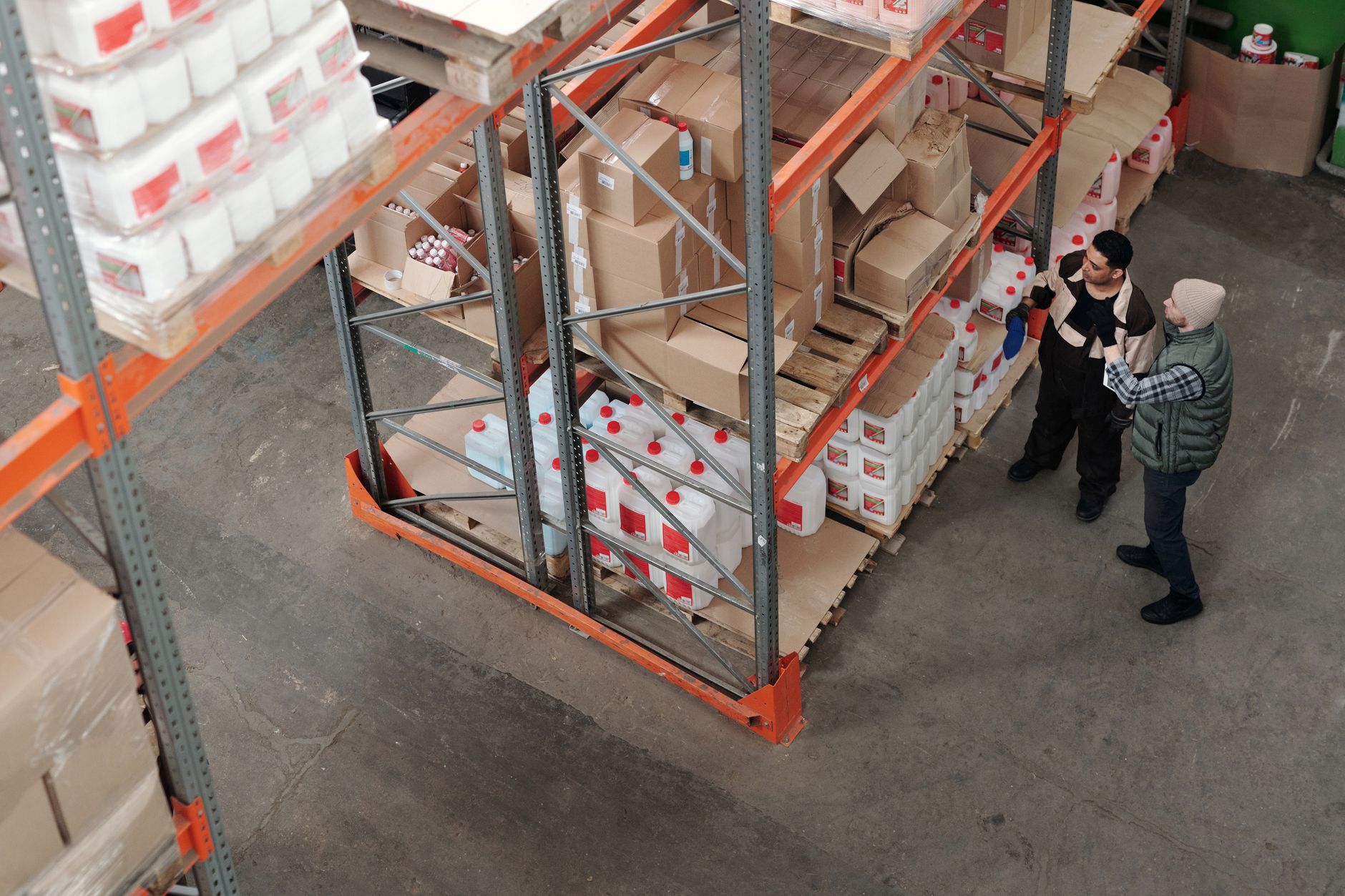
A warehouse logistics specialist does far more than move boxes. Typical duties include receiving and inspecting incoming goods, storing them correctly, picking and packing orders, managing stock in warehouse-management software (often SAP or similar), planning delivery routes, loading trucks, and handling shipping documents. In Germany this is a recognised skilled occupation, distinct from the more basic Lagerhelfer (warehouse helper) or Fachlagerist (a shorter two-year qualification). The full title, Fachkraft für Lagerlogistik, signals a three-year vocational training and higher responsibility.
Most roles require you to operate a forklift, so a Staplerschein (forklift licence) is a big advantage — more on that below.
2026 salaries by region
Pay depends heavily on region, employer size and whether the company follows a Tarifvertrag (collective bargaining agreement). Logistics roles in the south and west generally pay more than in the east, but living costs follow the same pattern. The figures below are gross annual salary ranges for a qualified specialist in 2026.
| Region / State | Typical gross salary (€/year) |
|---|---|
| Bavaria & Baden-Württemberg | 32,000 – 42,000 |
| Hesse (Frankfurt area) | 31,000 – 41,000 |
| North Rhine-Westphalia | 30,000 – 39,000 |
| Hamburg & Bremen (ports) | 31,000 – 40,000 |
| Berlin | 29,000 – 38,000 |
| Eastern states (Saxony, Thuringia) | 27,000 – 34,000 |
Entry-level specialists typically start around €2,300–2,700 gross per month. With experience, a Schichtleiter (shift leader) or Lagerleiter (warehouse manager) role can push earnings to €45,000–55,000 or more. Night shifts, weekend work and hazardous-goods handling usually come with extra allowances. Remember that gross pay is reduced by tax and social contributions — a rough net figure is 60–70% of gross, depending on your tax class.
Is there real demand?
Yes. Logistics is consistently one of Germany's largest employment sectors, and warehouse specialists appear regularly on shortage-occupation discussions. The growth of e-commerce, the concentration of European distribution centres in Germany, and an ageing workforce mean employers in the Ruhr area, around Frankfurt, Leipzig, Hamburg and the Bavarian corridors are actively hiring. Demand is strongest for people who combine a recognised qualification, a forklift licence, and at least basic German. You can gauge current openings with our eligibility checker.
The qualification: Ausbildung vs. recognition
There are two main paths into this career.
Path 1 — Do the Ausbildung in Germany
The Ausbildung (dual vocational training) for Fachkraft für Lagerlogistik lasts three years and combines paid on-the-job training with Berufsschule (vocational school). Trainees earn a modest wage — roughly €900–1,200 per month rising each year — and finish with a nationally recognised certificate that employers trust. This is an excellent route for younger applicants: you can enter Germany on a vocational-training visa, and you generally need German at around B1 level to cope with the school component.
Path 2 — Get a foreign qualification recognised (Anerkennung)
If you already trained as a logistics or warehouse professional abroad, you can apply for Anerkennung (formal recognition of foreign qualifications). Because Fachkraft für Lagerlogistik is not a strictly regulated profession, full formal recognition is often optional — many employers will hire you on the strength of your experience. However, a positive recognition decision (or a Statement of Comparability from the ZAB, the central office for foreign education) strengthens both your visa application and your salary negotiation. Start at the official anerkennung-in-deutschland.de portal to identify the right authority for your case.
The Staplerschein and other certificates
A Staplerschein (forklift operator licence, formally the Flurförderzeug certificate) is close to essential. Foreign forklift licences are often not automatically valid in Germany, so most workers take a short course — typically a few days, costing €150–500 — once in the country or through an employer. Handling dangerous goods may require an additional Gefahrgut certification. These are quick, inexpensive credentials that noticeably boost your employability.
Visa routes for applicants from abroad
Under the Fachkräfteeinwanderungsgesetz (Skilled Immigration Act), there are several ways in. The right one depends on whether you already have a job offer and a recognised qualification.
- Skilled Worker Visa (§18a/§18b Aufenthaltsgesetz): For those with a recognised vocational qualification and a concrete job offer. This is the standard route once an employer says yes.
- Chancenkarte (Opportunity Card): A points-based visa that lets you enter Germany for up to 12 months to look for work. You collect points for qualification, German and English skills, age and experience. You must prove you can support yourself — typically via a Sperrkonto (blocked account) or a part-time job. Estimate your balance with our Sperrkonto calculator.
- Vocational-training visa (§16a): For entering Germany to start the three-year Ausbildung described above.
- Recognition partnership: A newer option that lets you enter with a job while your qualification recognition runs in parallel.
Most applicants also need to show health insurance, a valid passport, and proof of accommodation. Processing at the Ausländerbehörde (foreigners' authority) and German consulate can take several weeks to a few months, so apply early.
German language: how much do you need?
Warehouses are safety-critical environments, so employers value communication. For most specialist roles you should aim for B1 German; some entry positions accept A2, and Ausbildung requires around B1 for the school. Even basic German dramatically widens your options and lifts your pay. You can begin for free with our learn German resources before you arrive.
How to apply from abroad — step by step
- Check your eligibility and route. Decide between Ausbildung, direct skilled-worker employment, or the Chancenkarte.
- Get your documents in order. Passport, qualification certificates, references, and translations. Consider a ZAB Statement of Comparability.
- Build a German-style CV. German employers expect a clear, one-to-two-page, tabular Lebenslauf. Our CV builder formats this for you.
- Write a tailored cover letter. A strong Anschreiben is expected — try the cover-letter generator.
- Apply widely. Use the Bundesagentur für Arbeit job board, Indeed, StepStone, and logistics recruiters. Target the Ruhr, Frankfurt, Hamburg and Bavaria clusters.
- Prepare for interviews. Expect questions on shift flexibility, forklift experience and reliability. Practise with our interview prep tools.
- Apply for the visa once you have an offer or enough Chancenkarte points, and arrange your Anmeldung (address registration) and insurance for arrival.
The bottom line
Warehouse logistics is one of the most realistic and durable ways to build a career in Germany without a university degree. Demand is steady, entry barriers are moderate, and a forklift licence plus basic German can take you a long way. Get your qualification recognised where possible, aim for B1 German, and apply through the skilled-worker visa or the Chancenkarte — and you can move from planning to a signed contract within a matter of months.
Try this free tool
Ausbildung Salary Explorer
What 24 apprenticeships really pay — per year, net, and after graduation.
Frequently asked questions
Share with your friends
Was this article helpful?
Comments
Most liked comments appear first.
Log in to join the discussion.
…
Read also
Jobs
Working as a Hotel Specialist in Germany: Salary, Visa and Demand
A 2026 guide for hotel specialists moving to Germany: salaries by region, visa routes, qualification recognition, the Ausbildung path, language expectations and how to apply from abroad.
2026-08-03

Jobs
Working as a Chef in Germany: Salary, Visa and Demand
A practical 2026 guide to becoming a chef (Koch/Köchin) in Germany: salaries by region, visa routes, recognition of foreign training, language expectations and how to apply from abroad.
2026-08-03

Jobs
Working as a Baker in Germany: Salary, Visa and Demand
A 2026 guide to becoming a baker in Germany: salaries by region, visa and Anerkennung routes, the Ausbildung path, early-morning shift realities and how to apply from abroad.
2026-08-03
Jobs
LinkedIn vs Xing: Which Lands You a Job in Germany?
LinkedIn vs Xing Germany — find out which platform recruiters actually use, which wins by industry and region, and how to optimise your profile for both.
2026-06-26

Jobs
Best Job Search Sites in Germany: StepStone, Indeed & More
Compare Germany's top job boards—StepStone, Indeed, Make-it-in-Germany & more—with tips on filters, alerts, and avoiding scams to land your dream job faster.
2026-06-26

Jobs
Agentur für Arbeit: How to Find a Job in Germany
Learn how to register with the Agentur für Arbeit, use its free job portal, advisors, and services to land your first job in Germany as a newcomer.
2026-06-24
Jobs
Working as a Hairdresser in Germany: Salary, Visa and Demand
Germany needs trained hairdressers, but pay is modest and the trade is regulated. Here's what you'll earn in 2026, the visa routes, and the Meister path to your own salon.
2026-08-03

Jobs
Working as a Butcher in Germany: Salary, Visa and Demand
A practical 2026 guide to becoming a butcher (Fleischer) in Germany: salaries by region, visa routes, getting your qualification recognised, and how to apply from abroad.
2026-08-03