Loading…
 Jobs
JobsBest Job Search Sites in Germany: StepStone, Indeed & More
By the GoGermany Editorial Team · 2026-06-26
Compare Germany's top job boards—StepStone, Indeed, Make-it-in-Germany & more—with tips on filters, alerts, and avoiding scams to land your dream job faster.
Finding Your Next Role on the Right Platform
Germany's job market is one of the strongest in Europe, with an unemployment rate consistently below 6% and hundreds of thousands of vacancies posted online every single month. But if you're new to the country—or job-hunting from abroad—navigating the landscape of job search websites Germany has to offer can feel overwhelming without a clear map. This guide breaks down every major platform, shows you exactly how to use each one to its full potential, and helps you avoid the traps that catch out too many international applicants.
The German Job Board Landscape at a Glance
Germany has a mix of government-run portals, commercial aggregators, and niche networks. No single platform holds all the jobs, which is why a multi-board strategy almost always outperforms sticking to just one site. Here's a quick orientation:
| Platform | Type | Best for |
|---|---|---|
| StepStone.de | Commercial | White-collar, mid-to-senior roles |
| Indeed.de | Aggregator | Volume searching, all levels |
| Arbeitsagentur Jobbörse | Government | All sectors, especially apprenticeships |
| Make-it-in-Germany | Government | International applicants |
| Professional network | Networking + applying | |
| Professional network | German-speaking markets | |
| Glassdoor.de | Aggregator + reviews | Company research |
| Kimeta.de | Aggregator | Niche/regional roles |
Using three to four of these simultaneously—with job alerts set up on each—is the most effective approach.
StepStone Germany: The Premium Workhorse
StepStone (stepstone.de) is Germany's largest dedicated job board by revenue and consistently lists 60,000–80,000 active vacancies at any given time. It skews toward professional, office-based, and technical roles, making it the go-to platform for engineers, IT specialists, finance professionals, and managers.
Creating a Winning StepStone Profile
- Upload a German-format CV (Lebenslauf) — ideally with a professional photo, which is still standard in Germany
- Add your desired salary range in the profile settings; employers can filter by this, putting you in front of the right companies
- Enable the "Gehaltsinformation" (salary information) tool to benchmark your expectations against market rates for your role
- Set your profile visibility to "active" so recruiters using the CV database (a paid feature for employers) can find you
Using StepStone Filters Effectively
StepStone's filter system is detailed. Beyond location and job title, use:
- Arbeitszeit: Filter between Vollzeit (full-time), Teilzeit (part-time), and Minijob
- Vertragsart: Permanent (unbefristet) vs. fixed-term (befristet)
- Branche: Industry sector — useful for narrowing down without missing job-title variants
- Radius: Set a kilometre radius from a postcode rather than just selecting a city
Set up a StepStone Job-Alert by saving a search — you'll receive email notifications (daily or weekly) the moment new matching roles are posted. Early applicants statistically get more callbacks.
Indeed Germany: High Volume, Smart Aggregation
Indeed.de aggregates listings from company career pages, other job boards, and direct postings, meaning it often surfaces roles that never appear on StepStone. It's particularly strong for:
- Entry-level and warehouse/logistics roles in cities like Hamburg, Munich (München), and Frankfurt
- Ausbildung (apprenticeship) positions — Indeed Germany carries a large volume of dual-training vacancies
- Hospitality and retail — sectors underrepresented on StepStone
Indeed Tips You Might Not Know
- Use Boolean search strings in the search bar: e.g.,
"Software Engineer" AND Python NOT Juniorto sharpen results - The "Einfache Bewerbung" (Easy Apply) button lets you apply with your Indeed profile in seconds — useful for high-volume campaigns, but always tailor your cover letter for roles you really want
- Check the salary estimates Indeed displays below job titles — these are algorithmically generated but give a useful ballpark
- Filter by "Datum der Veröffentlichung" (date posted) to see only listings from the last 24 hours or 7 days, keeping your pipeline fresh
Make-it-in-Germany: The Official Portal for International Talent
Run by the German Federal Government in partnership with the Bundesagentur für Arbeit and the Gesellschaft für Internationale Zusammenarbeit (GIZ), make-it-in-germany.com is the official gateway for skilled workers relocating from outside the EU.
What Makes It Different
- Every listing is from an employer registered and vetted in Germany — no ghost listings
- The portal highlights roles eligible for the Fachkräfteeinwanderungsgesetz (Skilled Immigration Act), making visa pathways clearer
- Built-in language filter: search for roles that accept English-speaking applicants, saving you from applying to positions that require C1 German
- Linked directly to the "Anerkennung" (recognition) tool, helping you check if your foreign qualification is officially recognised in Germany before you apply
For a detailed walkthrough of how the government employment agency supports your job search — including registering as a jobseeker, accessing counselling services, and claiming Arbeitslosengeld — see our guide on Agentur für Arbeit: How to Find a Job in Germany.
LinkedIn and XING: Networking as a Job Search Strategy
In Germany, XING (xing.com) holds significant cultural weight, especially among German companies that haven't fully migrated to LinkedIn. Both platforms are worth maintaining simultaneously.
LinkedIn Germany Best Practices
- Switch your profile to "Open to Work" — you can set this to visible only to recruiters so your current employer doesn't see it
- Follow the LinkedIn company pages of your target employers in cities like Berlin, Munich, or Düsseldorf; job posts sometimes appear there before aggregators pick them up
- Engage with German-language content: commenting thoughtfully in German on industry posts dramatically increases profile visibility to local recruiters
- Use the "Easy Apply" feature selectively — for senior roles, a tailored application through the company's own careers page still performs better
XING-Specific Tips
- Activate "ProJobs" (€9.95–€19.95/month) to see who viewed your profile and to apply with premium visibility
- XING's Kununu tab (Germany's equivalent of Glassdoor) is integrated — read employee reviews before every interview
- Many German Mittelstand (mid-sized) companies post exclusively on XING, so don't skip it even if LinkedIn feels more familiar
Setting Up a Multi-Platform Alert System
The single highest-impact thing you can do is automate your search with alerts. Here's a practical setup:
- StepStone: Save 2–3 searches (by job title + city) → set to daily email alerts
- Indeed: Set up alerts for the same search terms → choose "immediately" for urgent roles
- Make-it-in-Germany: Use the bookmark/save function and check weekly
- LinkedIn: Turn on job alerts for saved searches → get mobile push notifications
- Google: Search
site:jobs.google.com "[Job Title]" Berlinor use Google for Jobs (available at google.de) which aggregates across all boards in real time
Aim to check and apply within 24–48 hours of a listing going live. German hiring managers often close applications early once they have a strong shortlist.
Common Mistakes When Using German Job Boards
Even experienced professionals make these errors — here's how to avoid them:
- Applying with a non-German CV format: German employers expect a Lebenslauf in reverse-chronological order, a photo, and a separate Anschreiben (cover letter). A standard Anglo-American résumé without these elements is frequently filtered out immediately.
- Ignoring the Anschreiben: Many job seekers skip the cover letter, especially on "Easy Apply" platforms. In Germany, a tailored Anschreiben remains expected — even a short one of 250 words significantly improves response rates.
- Falling for job scams: Red flags include listings with no company name, requests for your bank details before an interview, promises of unusually high pay for vague roles, or asking you to communicate only via WhatsApp. Legitimate German employers post on official platforms, have a real Impressum (legal notice) on their website, and never ask for money or personal financial information upfront.
- Searching only in English: Many German roles — even in international companies — are posted in German. Set up parallel searches in both languages: e.g., "Software Engineer" AND "Softwareentwickler", "Marketing Manager" AND "Marketingleiter".
- Not checking company reviews: Always read Kununu or Glassdoor.de reviews before an interview. This saves you from wasting time on companies with genuinely poor working conditions and helps you ask sharper questions.
- Uploading the same CV to every platform: Each platform's algorithm ranks CVs differently. Customise your headline and skills section on StepStone vs. LinkedIn to match the keywords each platform's recruiter search tools prioritise.
- Overlooking the Arbeitsagentur Jobbörse: The Bundesagentur für Arbeit's own job board (jobboerse.arbeitsagentur.de) is completely free, lists over 700,000 vacancies at peak times, and carries a high proportion of skilled trade, healthcare, and Ausbildung positions not always listed elsewhere.
Conclusion: Build Your German Job Search Engine
The most successful job hunters in Germany don't rely on luck or a single website — they build a system. Combine StepStone for professional roles, Indeed for volume, Make-it-in-Germany for visa-friendly opportunities, and LinkedIn/XING for networking. Set daily alerts, apply within 48 hours, always send a tailored Anschreiben, and verify every employer before sharing personal information.
Ready to go deeper? GoGermany's full resource library covers everything from getting your qualifications recognised to negotiating a German employment contract — so you're not just finding a job, you're building a career. Explore the platform, set up your alerts today, and take your first step toward working in Germany.
Try this free tool
Ausbildung Salary Explorer
What 24 apprenticeships really pay — per year, net, and after graduation.
Frequently asked questions
Share with your friends
Was this article helpful?
Comments
Most liked comments appear first.
Log in to join the discussion.
…
Read also
Jobs
Working as a Painter and Varnisher in Germany: Salary, Visa and Demand
A 2026 guide to working as a painter and varnisher (Maler und Lackierer) in Germany: salaries by region, visa and Anerkennung routes, the Ausbildung path, construction-sector demand and how to apply from abroad.
2026-08-03

Jobs
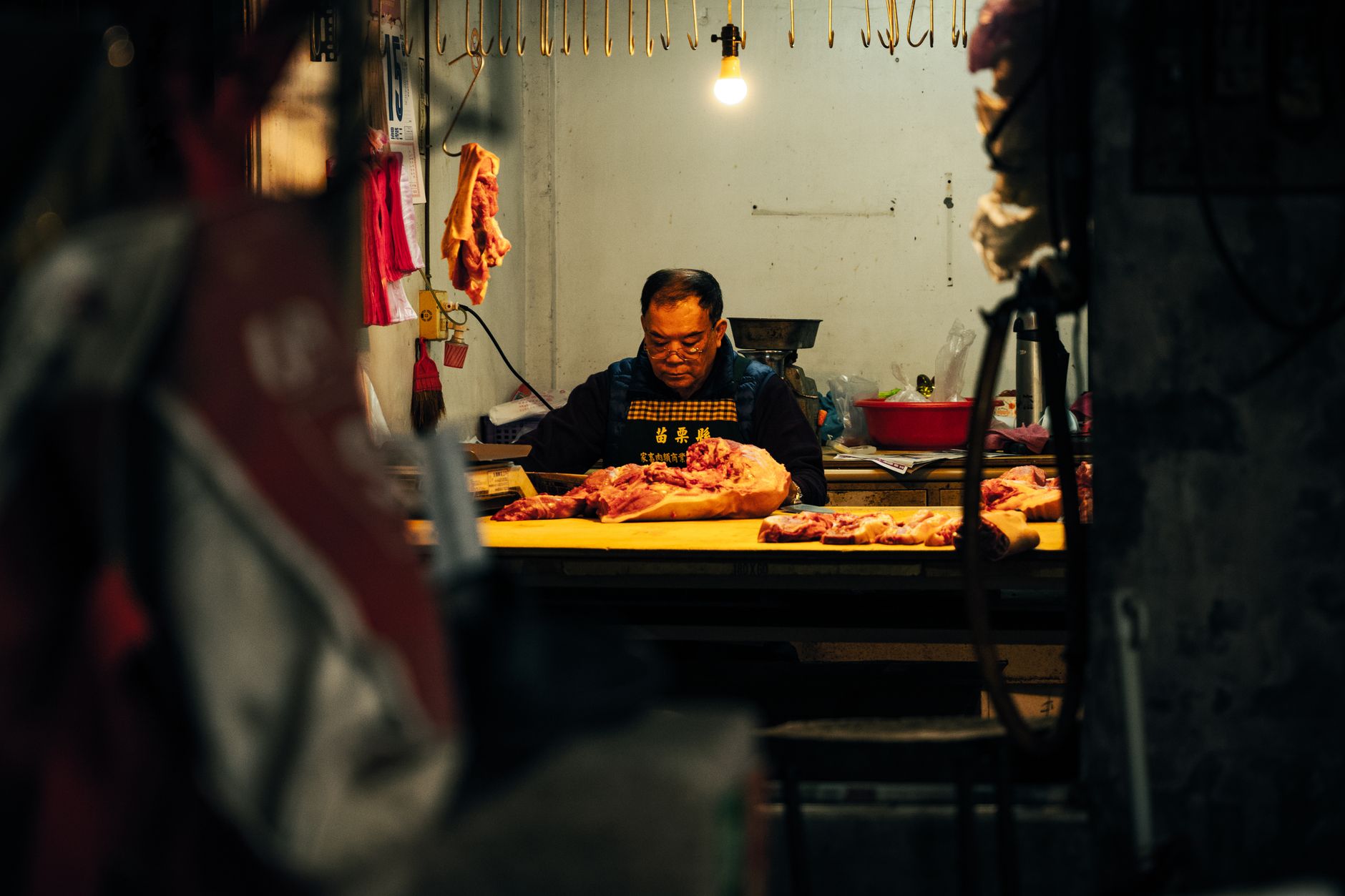
Working as a Butcher in Germany: Salary, Visa and Demand
A practical 2026 guide to becoming a butcher (Fleischer) in Germany: salaries by region, visa routes, getting your qualification recognised, and how to apply from abroad.
2026-08-03
Jobs
Working as a Baker in Germany: Salary, Visa and Demand
A 2026 guide to becoming a baker in Germany: salaries by region, visa and Anerkennung routes, the Ausbildung path, early-morning shift realities and how to apply from abroad.
2026-08-03

Jobs
Working as a Kindergarten Educator in Germany: Salary, Visa and Demand
Kindergarten educator jobs in Germany: 2026 TVöD salaries, the §16d visa route, Anerkennung of your diploma and where demand is highest.
2026-07-27

Jobs
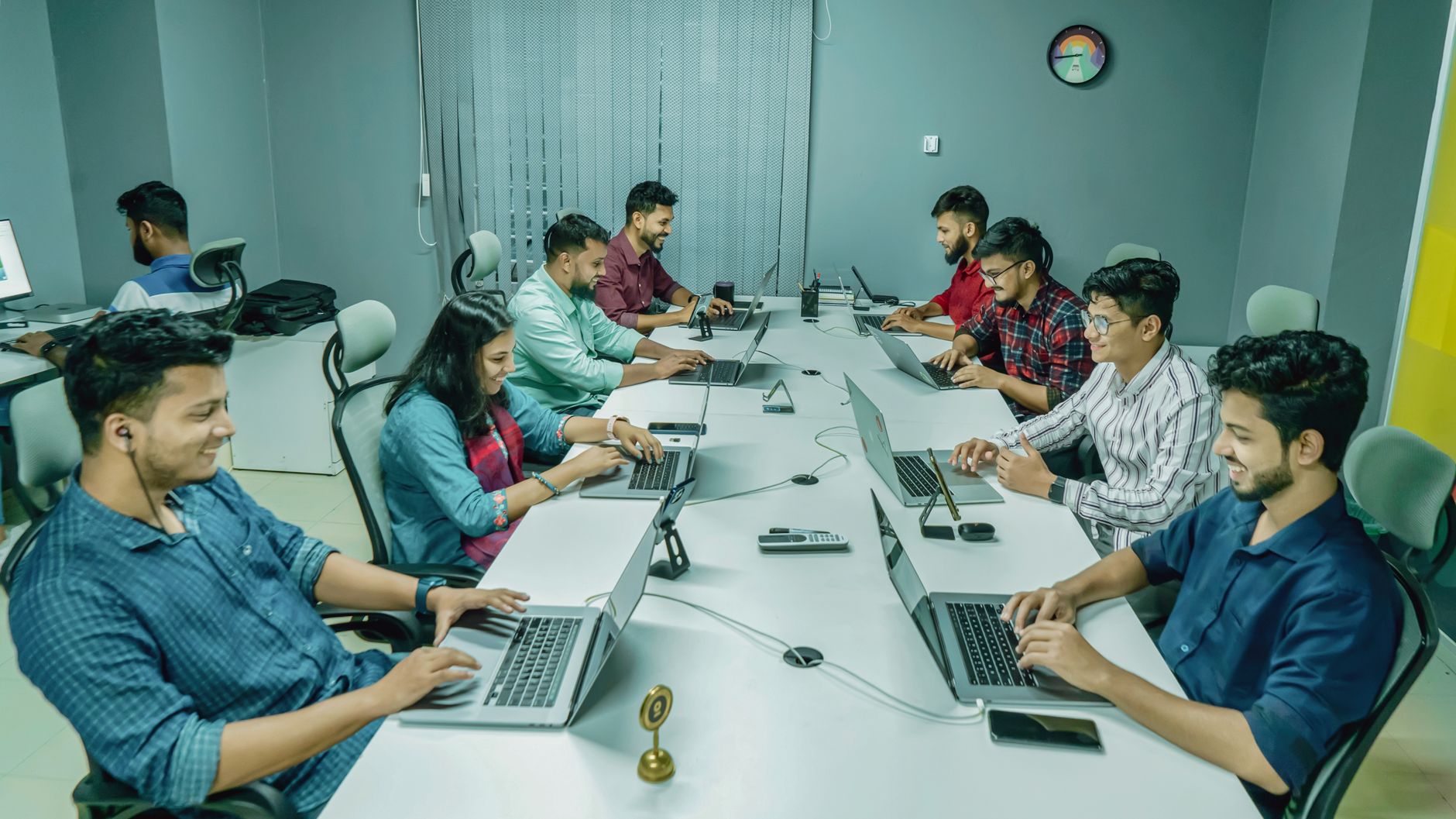
Working as a Software Developer in Germany: Salary, Visa and Demand
Software developer jobs in Germany: 2026 salary ranges, the EU Blue Card (incl. the no-degree route), Chancenkarte and how to apply from abroad.
2026-07-27
Jobs
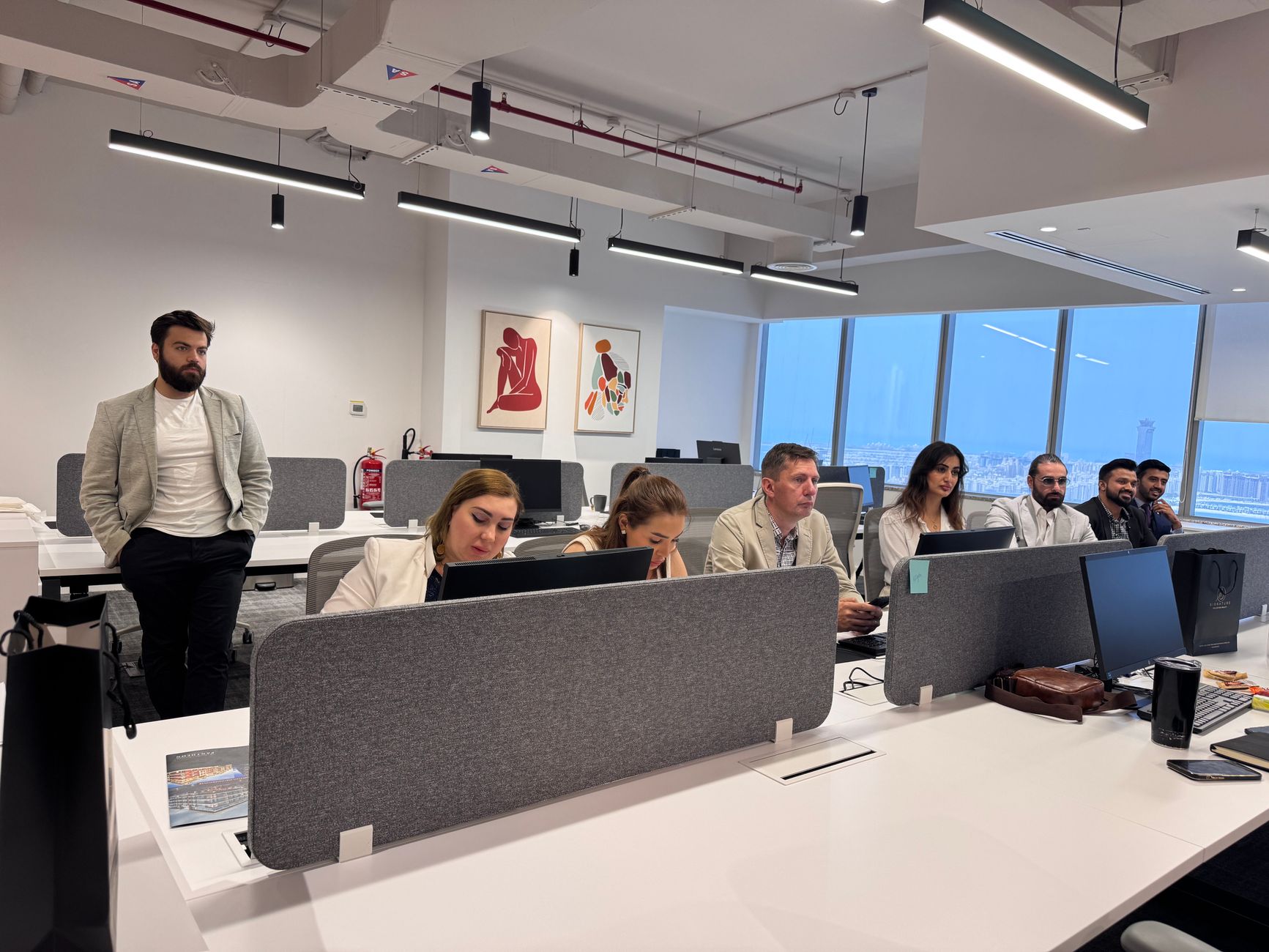
Working as a Mechanical Engineer in Germany: Salary, Visa and Demand
Mechanical engineer jobs in Germany: 2026 salaries by region, degree recognition, Blue Card and §18b visa routes, and where demand is strongest.
2026-07-27
Jobs
Working as a Optician in Germany: Salary, Visa and Demand
Optician jobs in Germany 2026: real salary ranges, the Anerkennung and visa routes, the Meister path to self-employment, and how to apply from abroad.
2026-07-27

Jobs
Working as an Elderly Caregiver in Germany: Salary, Visa and Demand
Elderly caregiver jobs in Germany in 2026: real salary ranges, the Pflegefachkraft visa route, Anerkennung and where demand is highest.
2026-07-27