Loading…
 🛠 Ausbildung
Nursing Ausbildung in Germany: Salary, Career Prospects, and Opportunities for Moroccans
By the GoGermany Editorial Team · 2025-10-08
Discover how a nursing Ausbildung in Germany works, what salary you can earn, and why it's one of the best career paths for Moroccans moving to Germany.
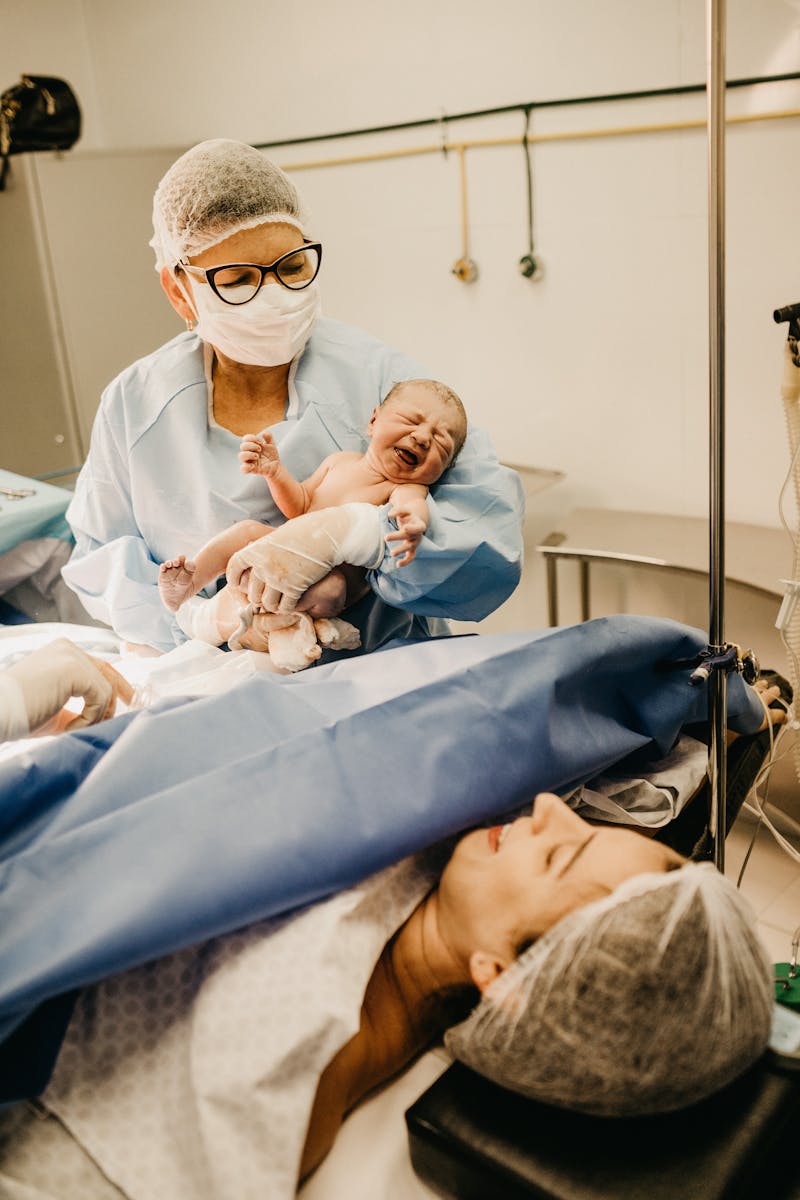
Germany is facing a critical nursing shortage — and that shortage is your opportunity. With over 200,000 unfilled nursing positions and an ageing population that keeps growing, the demand for qualified nurses in Germany has never been higher. For Moroccans looking to build a stable, well-paid life in Germany, a nursing Ausbildung (vocational training) is one of the most direct and rewarding paths available.
What Is a Nursing Ausbildung in Germany?
A nursing Ausbildung is a state-recognized, three-year dual training program that combines classroom theory with hands-on clinical practice. Since 2020, Germany unified three separate nursing qualifications — geriatric care, pediatric nursing, and general nursing — into one comprehensive program called Generalistische Pflegeausbildung (generalist nursing training).
This means you train across multiple healthcare settings and graduate as a fully licensed nurse (Pflegefachkraft) who can work with patients of all ages.
What You Learn During the Training
- Anatomy, physiology, and medical terminology
- Patient care techniques — wound management, medication administration, vital signs monitoring
- Psychological and social aspects of care
- Hygiene and infection prevention
- Documentation and legal responsibilities in healthcare
- Emergency procedures and basic life support
Training alternates between a nursing school (Pflegeschule) and a practical placement in a hospital, care home, or community health service. You are employed from day one, which means you earn a salary throughout your entire training period.
Nursing Ausbildung Salary: How Much Do You Earn?
This is one of the most common questions — and the answer is genuinely encouraging. As an Azubi (trainee) in nursing, you receive a monthly training allowance set by collective agreements. The exact amount depends on the employer (hospital, private clinic, or care home) and the federal state, but here are realistic figures for 2024:
- Year 1: €1,100 – €1,230 per month
- Year 2: €1,190 – €1,330 per month
- Year 3: €1,300 – €1,500 per month
Public hospital groups like Charité in Berlin or Klinikum der Universität München tend to pay at the higher end. Private operators such as Alloheim or Korian also offer competitive allowances to attract international applicants.
Once you qualify, starting salaries for a licensed nurse (Pflegefachkraft) typically range from €2,500 to €3,200 per month gross, depending on specialization and location. With additional qualifications (e.g., intensive care, anaesthesia, or wound management), experienced nurses regularly earn €3,500 – €4,500+ gross per month.
Night shifts, weekend work, and public holidays attract supplements — often 25–50% on top of your base hourly rate. Over a full career, these add up significantly.
Career Prospects After Your Nursing Ausbildung
Germany's nursing sector is not a dead end — it is a launchpad. After completing your Ausbildung, you have multiple directions to grow.
Specializations You Can Pursue
- Intensive care nursing (Fachkraft für Intensivpflege) — high demand, high salary
- Anaesthesia and operating theatre nursing — requires additional one-to-two-year training
- Geriatric specialist (Fachkraft Gerontopsychiatrie)
- Pediatric intensive care nursing
- Oncology nursing
- Wound management certification (Wundexperte ICW)
Each specialization adds €200–€600 to your monthly salary and improves your job security further.
Moving Into Leadership and Education
After a few years of experience, you can take a further qualification as a:
- Ward manager (Stationsleitung) — responsible for a team of nurses
- Head of care (Pflegedienstleitung) — manages entire care departments, salaries often exceed €4,500/month
- Nursing educator (Pflegepädagoge) — teach the next generation, often at universities of applied sciences
Germany also allows nurses with an Ausbildung to apply to bachelor's programs in nursing science (Pflegewissenschaft) or health management at universities such as the Hochschule für Gesundheit in Bochum or Fliedner Fachhochschule Düsseldorf, often with credit for your practical experience.
How Moroccans Can Access Nursing Ausbildung
Germany actively recruits healthcare workers from Morocco through bilateral agreements and specific immigration pathways.
The Recognition of Moroccan Qualifications
If you already hold a nursing diploma from Morocco, you can apply for recognition (Anerkennung) of your qualification through the relevant state authority (Landesbehörde). Germany uses an online portal — anabin — to classify foreign credentials. Moroccan nursing diplomas are typically classified and may require a Qualifikationsanalyse (competency assessment) or supplementary training before full recognition.
If you don't yet have a nursing background, you can start the Ausbildung from scratch — no medical experience required, just the right entry qualifications.
Entry Requirements for International Applicants
- Completed secondary school (Abitur equivalent or Moroccan baccalauréat)
- German language proficiency: minimum B1, ideally B2 — most employers require B2 for nursing roles due to patient communication needs
- A clean criminal record certificate (Führungszeugnis equivalent from Morocco)
- Basic health clearance
The German language requirement is non-negotiable. Patients, colleagues, and documentation are all in German. Investing in language training before you apply is the single most important step you can take.
Visa and Immigration Route
Moroccan nationals apply for a vocational training visa (§17 AufenthG) at the German embassy in Rabat or Casablanca. You need:
- A signed training contract with a German employer
- Proof of B1/B2 German language level (Goethe-Institut or TestDaF certificate)
- Proof of accommodation in Germany
- Proof of financial means or confirmation that your Ausbildung salary covers living costs
Processing times at the Rabat embassy currently range from 8 to 16 weeks, so plan ahead. Once in Germany, you can apply for a settlement permit (Niederlassungserlaubnis) after five years of qualified employment.
Where to Find Nursing Ausbildung Positions in Germany
Don't limit yourself to one platform. Use all of these:
- Indeed.de — search "Pflegeausbildung" or "Ausbildung Pflegefachkraft"
- Pflegejobs.de — dedicated to healthcare roles
- Bundesagentur für Arbeit job portal — the official German employment agency database
- Make it in Germany — the German government's official portal for international applicants, with nursing-specific guides
- Direct applications to hospital networks: Helios Kliniken (over 80 hospitals), Asklepios, Sana Kliniken, and DRK (German Red Cross) all recruit internationally
Cities with the highest demand and most open Ausbildung positions include Berlin, Hamburg, Munich, Frankfurt, Cologne, and Leipzig. Smaller cities in eastern Germany (e.g., Dresden, Magdeburg) also offer positions with slightly lower competition.
Common Pitfalls — What Moroccans Get Wrong
Underestimating the German language requirement. Some applicants assume B1 is enough to start working. In nursing, B2 is the practical minimum. Patients' lives can depend on clear communication. Start German lessons immediately and aim for B2 before applying.
Applying without verifying the employer's recognition status. Not all care homes are authorized training employers (ausbildende Betriebe). Ask for confirmation that they hold a valid training license before signing any contract.
Ignoring the recognition process for existing nursing qualifications. If you already trained as a nurse in Morocco, skipping the Anerkennung process means you start from scratch unnecessarily. Check your options first at BQ-Portal.
Choosing the wrong city based on salary alone. Munich pays more, but rent in Munich is also €1,200–€1,800/month for a one-bedroom apartment. Cities like Leipzig or Essen offer lower salaries but dramatically lower living costs — your actual quality of life may be better there.
Not budgeting for the visa and preparation period. Between language courses, document notarization, embassy fees, and flights, the preparation phase can cost €2,000–€4,000. Plan for this before you quit your job in Morocco.
Conclusion
Nursing Ausbildung in Germany is one of the most accessible, secure, and rewarding career paths for Moroccans ready to make the move. You earn a salary from day one, gain a government-recognized qualification, and enter a profession with lifetime job security across Europe. The investment in German language training and careful preparation pays back many times over in the form of a stable income, career growth, and a clear path to permanent residency.
If you're ready to take the first step — or you're not sure where to begin — book a consultation with our German immigration specialist (€16) to plan your move. You can also get your application documents in order right now using our CV builder or cover letter generator tailored for Ausbildung applications in Germany.
Try this free tool
Ausbildung Salary Explorer
What 24 apprenticeships really pay — per year, net, and after graduation.
Frequently asked questions
Share with your friends
Was this article helpful?
Comments
Most liked comments appear first.
Log in to join the discussion.
…
Read also
🛠 Ausbildung
Elektroniker Ausbildung: Salary, Skills & Career Path
Discover everything about Elektroniker Ausbildung in Germany: specializations, monthly training pay, IHK exam tips, and top career paths including Meister.
2026-07-23
🛠 Ausbildung
Ausbildung Salary in Germany: What Apprentices Really Earn (2026)
From 682 € minimum to 1,500 €+ in top trades — real Ausbildung salaries by profession and year, what is deducted, and whether you can live on it.
2026-07-14
🛠 Ausbildung
Duales Studium vs Ausbildung: Which Path Is Right for You?
Compare Duales Studium vs Ausbildung on salary, structure, degree outcomes, and career goals to decide which German training path fits you best.
2026-07-10
🛠 Ausbildung
Ausbildung in Cooking and Hospitality: Your Opportunity in the Heart of Europe
Discover how Moroccan applicants can land an Ausbildung in cooking and hospitality in Germany — with real salaries, top cities, and step-by-step guidance.
2024-06-19
🛠 Ausbildung
Ausbildung in Logistics and Warehousing in Germany: A Complete Guide for Moroccans
Everything Moroccan applicants need to know about starting an Ausbildung in logistics and warehousing in Germany — roles, pay, visas, and tips.
2024-05-17

🛠 Ausbildung
After Ausbildung in Germany: Career Promotion, Further Study, and Your Future Path
Finished your Ausbildung in Germany? Discover your real options — promotions, university, Meister, and more — with practical steps and real numbers.
2024-02-05

🛠 Ausbildung
Ausbildung in Germany Over 25: Is It Still Possible for Moroccans?
Wondering if you can start an Ausbildung in Germany after 25 as a Moroccan? Yes, you can — here's exactly how to make it work.
2024-01-02

🛠 Ausbildung
Azubi Rights in Germany: What Nobody Tells You Before You Sign
Discover the real legal rights every Azubi (trainee) has in Germany — from pay and working hours to holidays and dismissal protection.
2026-03-26