Loading…
 Viza dhe dokumentet
EU Blue Card Germany 2025: Salary Limits & Who Qualifies
Nga Ekipi Redaktorial i GoGermany · 2026-06-20
EU Blue Card Germany 2025: salary thresholds (€48,300 / €43,759.80), degree rules, IT exceptions, and the full application process explained.
EU Blue Card Germany 2025: Salary Limits & Who Qualifies
The EU Blue Card Germany is the fastest route for skilled professionals with a university degree to live and work in Germany. In 2025 the salary thresholds, eligible occupations, and rules for IT specialists are clearer (and more generous) than ever before. This guide breaks down exactly how much you need to earn, what documents to prepare, and how to submit your application without costly delays.
What Is the EU Blue Card Germany?
The EU Blue Card is a residence permit for non-EU nationals who hold an academic qualification and a job offer in Germany that meets a minimum salary. It is regulated under the German Residence Act (Aufenthaltsgesetz, § 18g) and was significantly reformed in November 2023, with the new rules fully in force for 2025.
Why so many internationals choose it:
- Fast permanent residence: You can apply for a Niederlassungserlaubnis (settlement permit) after just 27 months — or 21 months with B1 German.
- Family reunification: Your spouse can join you and work in Germany without restrictions.
- EU mobility: After 12 months you can move to another EU member state under simplified rules.
- No labour market test (Vorrangprüfung) for most occupations.
The Blue Card is issued through your local Ausländerbehörde (immigration office), for example in Berlin (Landesamt für Einwanderung), Munich, or Frankfurt.
EU Blue Card Salary Limits in 2025
Salary is the single most important requirement. The thresholds are recalculated each year based on the German pension contribution ceiling, and for 2025 they are:
- Standard threshold: €48,300 gross per year — applies to most occupations.
- Reduced threshold for shortage occupations and career starters: €43,759.80 gross per year.
These figures refer to your annual gross salary (before tax and social contributions). Bonuses that are guaranteed in your contract can count, but uncertain or discretionary payments usually do not.
Who gets the reduced €43,759.80 threshold?
The lower salary limit applies to two groups:
- Shortage occupations (Mangelberufe): professions where Germany has a recognised skills gap.
- Career starters: people who obtained their university degree no more than three years before the application date.
Shortage occupations in 2025 include:
- IT and ICT specialists
- Engineers (mechanical, electrical, civil, automotive)
- Natural scientists (mathematicians, physicists, chemists)
- Medical doctors and human medicine professionals
- Architects and production specialists
- Teachers and skilled nursing professionals (in defined roles)
- Manufacturing, mining, and construction managers
If your job falls into one of these categories, you only need to clear the €43,759.80 mark rather than €48,300.
Degree and Qualification Requirements
To qualify for the EU Blue Card Germany, you generally need a recognised academic degree — a bachelor's, master's, or equivalent.
Key points to check:
- Recognition: Your degree must be either obtained in Germany, comparable to a German degree, or formally recognised. Check this on anabin (anabin.kmk.org), the official database for foreign qualifications.
- Comparability: If your university and programme are listed as "H+" on anabin, your degree is automatically recognised. If not, you may need a Statement of Comparability from the ZAB (Zentralstelle für ausländisches Bildungswesen), which costs around €200 and takes a few weeks.
- Job relevance: Your degree should be relevant to the job you are taking, though some flexibility exists.
The IT specialist exception
One of the most important 2025 rules: IT specialists without a university degree can still qualify for the EU Blue Card.
You are eligible if you can prove:
- At least three years of relevant professional experience in IT or ICT within the last seven years, AND
- A job offer meeting the €43,759.80 salary threshold.
This is a major opening for self-taught developers, system administrators, and tech professionals who built their careers through experience rather than a formal diploma. You do not need a degree recognition for this route — your work history is the qualifying factor.
How to Apply for the EU Blue Card: Step by Step
The process differs slightly depending on whether you apply from abroad or already live in Germany.
Step 1: Secure a qualifying job offer
You need a concrete employment contract or binding job offer from a German employer that meets the relevant salary threshold and matches your qualification.
Step 2: Check your degree recognition
Use anabin to confirm your university and degree status. If needed, request a ZAB Statement of Comparability early — this is often the longest bottleneck.
Step 3: Apply for the visa (if abroad)
Book an appointment at the German embassy or consulate in your home country. You apply for a national visa (D-visa) for the purpose of taking up Blue Card employment.
Typical documents:
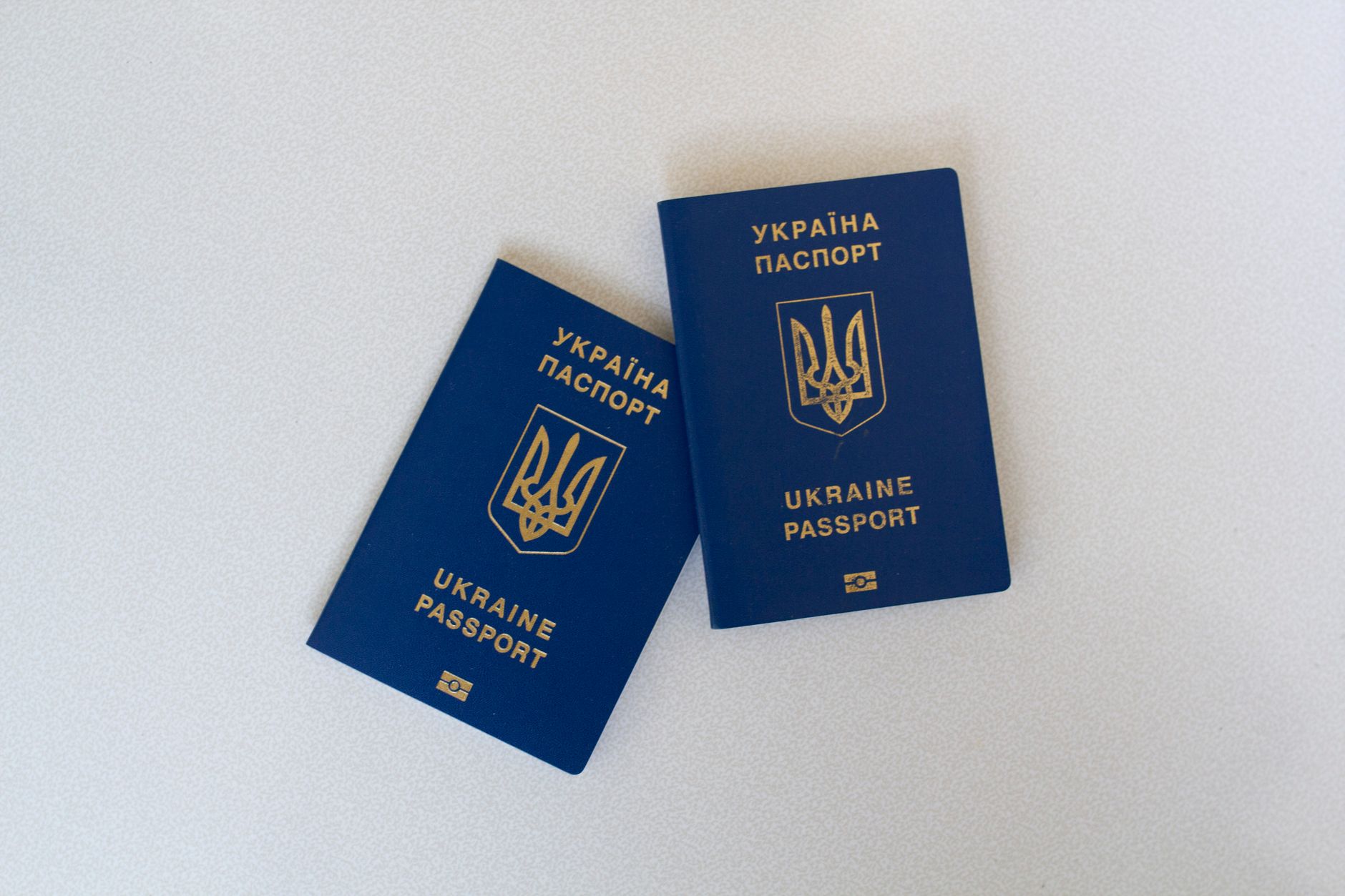
- Valid passport
- Completed visa application form (VIDEX online)
- Employment contract or binding job offer
- University degree certificate + anabin/ZAB proof
- CV (tabular)
- Biometric passport photos
- Proof of health insurance
- Visa fee of €75
Step 4: Register and apply at the Ausländerbehörde
Once in Germany:
- Complete your Anmeldung (address registration) at the local Bürgeramt — usually free.
- Open a German bank account.
- Book an appointment at the Ausländerbehörde to receive your Blue Card residence permit.
The Blue Card itself is issued as an electronic residence permit (eAT) and costs €100 for the initial permit. Renewals or extensions cost around €96–€100.
Step 5: Receive your Blue Card
The card is typically valid for four years, or for the duration of your contract plus three months if your contract is shorter.
Costs and Processing Times
Budget realistically for the full process:
- Visa fee: €75
- Blue Card residence permit: €100
- ZAB Statement of Comparability (if required): ~€200
- Anmeldung: free
- Health insurance: from around €120–€130/month (public) before employment starts
Processing times vary widely:
- Visa at embassy: typically 4–12 weeks, sometimes longer in high-demand consulates like New Delhi or Lagos.
- Ausländerbehörde appointment: can take several weeks in busy cities such as Berlin or Munich — book early.
The new fast-track procedure (beschleunigtes Fachkräfteverfahren) lets your employer initiate the process in Germany for an extra fee of €411, which can cut waiting times considerably.
Common Mistakes to Avoid
Even strong candidates get delayed or rejected over avoidable errors. Watch out for these:
- Misreading the salary threshold: The €43,759.80 reduced rate only applies to shortage occupations or recent graduates — not everyone. If you assume the lower figure incorrectly, your application can be refused.
- Counting unreliable bonuses: Only guaranteed, contractually fixed pay counts toward the threshold. Variable commissions usually don't.
- Skipping the anabin check: Many applicants assume their degree is recognised. Always verify the "H+" status before applying, and request a ZAB statement early if there's any doubt.
- Confusing gross and net salary: Thresholds are gross (brutto). Don't undersell your offer by reporting net figures.
- Booking appointments too late: Ausländerbehörde slots in major cities fill up fast. Start booking as soon as you have a date for arrival.
- Forgetting health insurance proof: You need valid coverage from day one — gaps can hold up your permit.
- Part-time underpayment: If you work part-time, your annualised salary must still meet the full threshold, not just the pro-rated amount.
Conclusion
The EU Blue Card Germany remains one of the most attractive immigration routes for skilled professionals in 2025, with clear salary thresholds of €48,300 (standard) and €43,759.80 (shortage occupations), generous family rights, and a fast track to permanent residence. The IT specialist exception means even experienced tech professionals without a degree now have a realistic path. If you meet the salary and qualification requirements, start by confirming your degree on anabin and lining up a qualifying job offer.
Ready to plan your move? Explore GoGermany's step-by-step guides and checklists to prepare your EU Blue Card application with confidence.
Provo këtë mjet falas
Kontrolluesi i përshtatshmërisë
Shiko ku qëndron për vizën gjermane — rezultati i gatishmërisë dhe pengesat e sakta
Pyetje të bëra shpesh
Ndaje me miqtë e tu
A ishte i dobishëm ky artikull?
Komente
Komentet me më shumë pëlqime shfaqen të parat.
Identifikohu për t'iu bashkuar diskutimit.
…
Lexo gjithashtu
Viza dhe dokumentet
Kostoja e zhvendosjes në Gjermani: buxheti i plotë i zhvendosjes në €
Një buxhet realist zhvendosjeje për vitin 2026 për t'u vendosur në Gjermani, në euro — Sperrkonto, kapar, fluturime, sigurim dhe shpenzime jetese, me diapazone të ulët, të mesëm dhe të lartë në një tabelë të qartë.
2026-08-05

Viza dhe dokumentet
SHBA apo Gjermania: A duhet të zhvendoseni? Paga, kostoja dhe stili i jetesës
Një krahasim i ndershëm në 2026 mes SHBA-së dhe Gjermanisë për këdo që vendos ku të jetojë e të punojë — paga bruto kundrejt asaj neto, shëndetësia, banimi, pushimi i paguar, siguria e punës dhe ekuilibri punë-jetë.
2026-08-05

Viza dhe dokumentet
Humbët punën me një vizë pune? Ja shpjegimi i dritares suaj 6-mujore
Humbët punën me një vizë pune në Gjermani? Mësoni rregullat e periudhës mëshiruese 6-mujore, çfarë t'i thoni Ausländerbehörde, përfitimet dhe si të gjeni shpejt një punë të re.
2026-07-27

Viza dhe dokumentet
Viza studentore gjermane hap pas hapi: dokumentet, tarifat dhe afatet kohore
Udhëzues i plotë për vizën studentore të Gjermanisë: dokumentet e nevojshme, tarifa €75, dëshmia e Sperrkonto, këshilla për intervistën në ambasadë dhe si ta konvertoni pas mbërritjes.
2026-07-25

Viza dhe dokumentet
Dalja në pension në Gjermani: viza, pensioni dhe kostoja e jetesës
Udhëzues i plotë për daljen në pension në Gjermani: opsionet e vizave, kërkesat për të ardhura, rregullat e pensionit, sigurimi shëndetësor, kostot reale dhe gabimet e zakonshme që duhen shmangur.
2026-07-16

Viza dhe dokumentet
Aufenthaltserlaubnis kundër Niederlassungserlaubnis: shpjegim
Aufenthaltserlaubnis kundër Niederlassungserlaubnis: krahaso vlefshmërinë, lirinë e punësimit, rinovimin dhe kërkesat për të kaluar nga qëndrimi i përkohshëm në atë të përhershëm në Gjermani.
2026-06-21

Viza dhe dokumentet
Blue Card kundër Chancenkarte: Cilën vizë gjermane duhet të zgjidhni?
Blue Card kundër Chancenkarte krahasuar sipas pranueshmërisë, pagës, kohëzgjatjes, të drejtave të punës dhe qëndrimit të përhershëm, për t'ju ndihmuar të zgjidhni vizën e duhur gjermane.
2026-06-20
Viza dhe dokumentet
Viza për punëtorë të kualifikuar në Gjermani: Udhëzues hap pas hapi për aplikimin
Aplikoni për vizën për punëtorë të kualifikuar në Gjermani në mënyrën e duhur: njohja e kualifikimit, oferta e punës, takimi, dokumentet, tarifat dhe afatet, të shpjeguara hap pas hapi.
2026-06-20