Loading…
 Viza dhe dokumentet
National D Visa vs Schengen Visa: Which Does Germany Need?
Nga Ekipi Redaktorial i GoGermany · 2026-06-21
Confused about the national D visa vs Schengen visa for Germany? Learn which one you need for work, study, and family relocation, plus costs and documents.
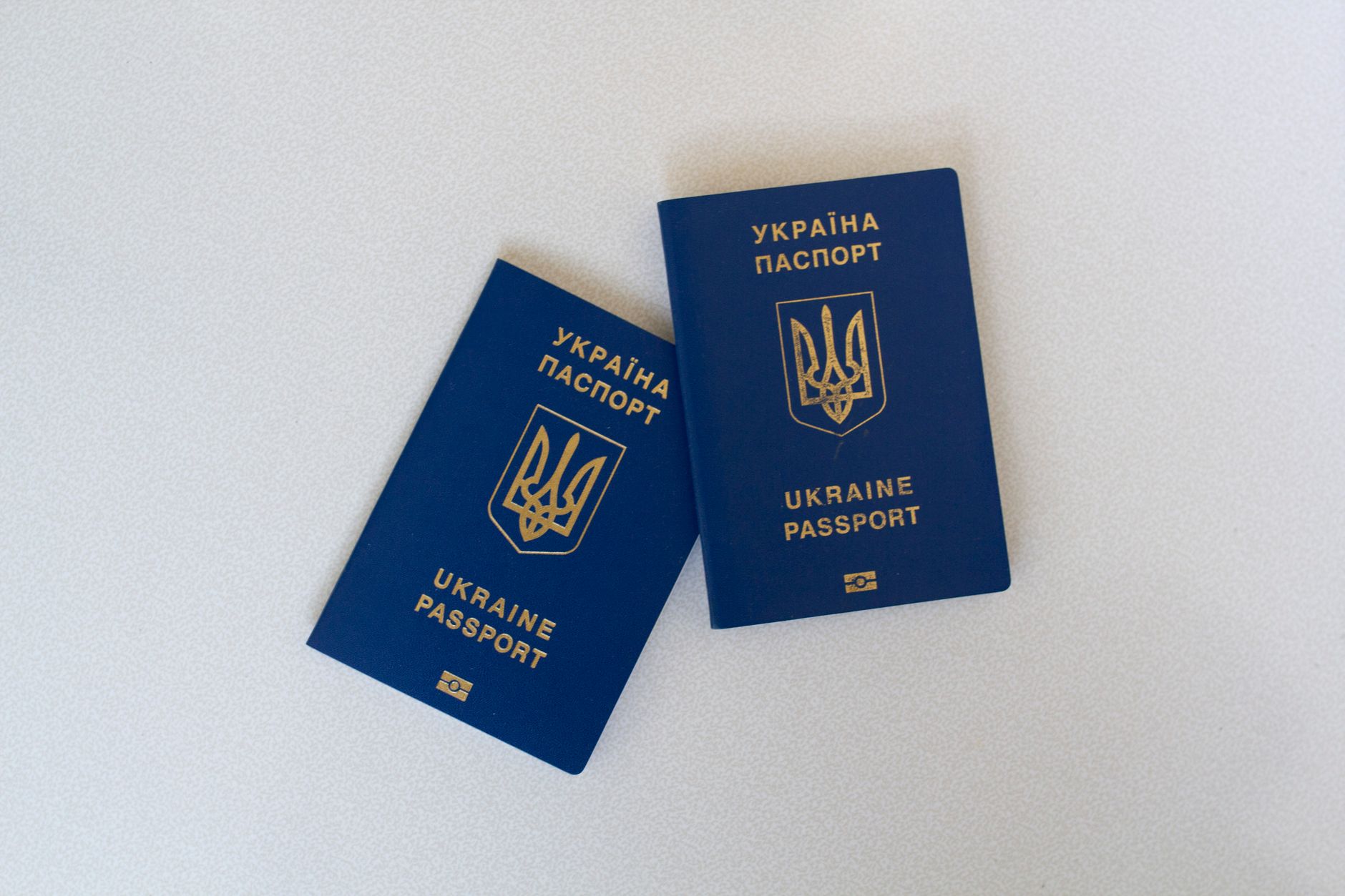
If you are planning to come to Germany, one of the first decisions you face is which visa to apply for. Choosing wrongly between a short-stay Schengen visa and a long-stay national visa can waste weeks of processing time and a non-refundable fee. This guide breaks down the national D visa vs Schengen visa question so you know exactly which one matches your purpose before you book an appointment.
The Core Difference: Length of Stay
The simplest way to understand the two visa types is by how long they let you stay.
A Schengen visa (officially a "category C" visa) is for short stays of up to 90 days within any 180-day period. It covers the entire Schengen Area of 29 European countries, so with one Schengen visa issued by Germany you can also travel to France, Italy, Spain and the rest of the zone.
A national visa (officially a "category D" visa) is for long stays of more than 90 days. It is tied specifically to Germany and is the starting point for anyone who intends to live, work, study or join family here. After you arrive on a D visa, you typically convert it into a residence permit (Aufenthaltstitel).
A quick rule of thumb
- Coming for tourism, a business meeting, or a short visit? → Schengen C visa
- Coming to live in Germany for work, study or family? → National D visa
The two are not interchangeable. You cannot start a job, enrol in a full degree programme, or register a long-term residence on a Schengen visa.
When You Need a Schengen (C) Visa
The Schengen visa is the right choice when your visit is genuinely temporary and you have no intention of staying beyond 90 days. Common purposes include:
- Tourism and sightseeing across Germany and neighbouring countries
- Business trips, conferences, trade fairs (for example the messe in Frankfurt or Cologne)
- Visiting family or friends for a short period
- Short professional training or guest lectures under 90 days
Key facts about the Schengen visa:
- Fee: €90 for adults, €45 for children aged 6–11, free for children under 6
- Processing time: usually 15 calendar days, sometimes up to 45 days
- Validity: the 90/180-day rule is calculated as a rolling window, not a calendar reset
- Insurance: you must show travel health insurance covering at least €30,000
Remember that citizens of many countries (the US, UK, Canada, Australia, Japan and others) can enter Germany for short stays without a Schengen visa, relying on visa-free travel. Indian, Nigerian, Turkish and many other passport holders, however, must apply in advance.
When You Need a National (D) Visa
This is where most people relocating to Germany belong. The national D visa is required whenever your purpose involves staying longer than three months. The main categories are:
Work
If you have a job offer, you will need a long-stay D visa as the entry document. Depending on your qualifications and salary, this could be:
- An EU Blue Card for high earners with a recognised degree — see EU Blue Card Germany 2025: Salary Limits & Who Qualifies
- A general Skilled Worker Visa — see the Skilled Worker Visa Germany: Step-by-Step Application Guide
- The Chancenkarte (Opportunity Card) for job seekers using a points system — see Chancenkarte Opportunity Card: How the Points System Works
If you are still searching for a position, the Germany Job Seeker Visa: Find Work on a 6-Month Permit is also a national visa.
Study and Ausbildung
A full university degree, a language course longer than 90 days, or a vocational Ausbildung all require a national D visa for studies. You will usually need to prove financing through a Sperrkonto (blocked account), which for 2025 requires roughly €11,904 for one year. Indian students should also read about the APS Certificate Germany, a mandatory pre-check before applying.
Family Reunion
Joining a spouse, registered partner, or parents already living in Germany is a long-stay purpose, so a national visa for family reunification (Familiennachzug) is required. Spouses often need to prove basic German (A1 level) before the visa is granted.
Costs and Documents Compared
Here is how the two visa types stack up on the practical details.
Fees
- Schengen C visa: €90 (adults)
- National D visa: €75 for most categories; reduced or waived for some students and scholarship holders
Core documents for both
- Valid passport with at least two blank pages
- Completed application form (the national visa uses the VIDEX online form)
- Biometric passport photos meeting German specifications
- Proof of health insurance
- Visa fee paid
Extra documents for the national D visa
Because you are settling long-term, you must prove your specific purpose:
- For work: signed employment contract, recognition of your qualification (via the Anabin database or a formal recognition decision), and sometimes Federal Employment Agency approval
- For study: university admission letter and Sperrkonto confirmation
- For family: marriage or birth certificates (often legalised or apostilled) and the sponsor's proof of income and accommodation
National visa processing is also slower — expect 4 to 12 weeks, and sometimes longer for work or family cases that need approval from German authorities.
What Happens After You Arrive in Germany
This is a major practical difference. A Schengen visa simply expires when you leave; there is nothing further to do.
A national D visa, by contrast, is only the entry ticket. Within your first two weeks you must complete two important steps:
- Anmeldung – register your address at the local Bürgeramt (citizens' office). You will receive a Meldebescheinigung confirming your German address.
- Residence permit – book an appointment at the Ausländerbehörde (foreigners' office) to convert your D visa into a longer residence permit or, for skilled workers, an electronic residence card (eAT).
If your residence permit appointment falls after your D visa expires, the authorities can issue a Fiktionsbescheinigung so you remain legal in the meantime — more on that in Fiktionsbescheinigung Germany: Stay Legal While Your Permit Processes.
Where to Apply and How
Both visa types are applied for before you travel, at the German mission responsible for your country of residence.
- Embassies and consulates: the German embassy in your capital, or consulates such as those in Mumbai, Bangalore, or Chennai for India
- Outsourcing partners: Germany uses VFS Global in many countries to collect biometrics and documents. If you are applying from India, the German Visa from India: VFS Global Appointment Step-by-Step walks you through the booking process
- Official portal: always cross-check requirements on the German Federal Foreign Office website (auswaertiges-amt.de) and the specific mission's page, because document lists vary by country
Book your appointment early. In high-demand cities, national visa slots for work and study can be booked out for months during peak season (May to September).
Common Mistakes to Avoid
Even well-prepared applicants trip up on these points:
- Using a Schengen visa to start a job or degree. You cannot "upgrade" a tourist visa into a residence permit from inside Germany for most purposes. You will usually be told to return home and apply for a D visa.
- Miscounting the 90/180-day rule. It is a rolling window. If you spent time elsewhere in the Schengen Area earlier in the year, those days count against your allowance.
- Booking the wrong appointment type. Schengen and national visa appointments are separate categories at VFS and the embassies — choose the long-stay (national) option for relocation.
- Underfunding the Sperrkonto. Depositing less than the required annual amount is one of the most common reasons student D visas are refused.
- Forgetting qualification recognition. Skilled workers often skip checking their degree in Anabin, then face delays when the Ausländerbehörde requests proof.
- Letting the D visa run out without an Anmeldung. Always register your address and apply for the residence permit promptly after arrival.
If you are still weighing different long-stay routes, the comparison in Blue Card vs Chancenkarte: Which German Visa Should You Pick? can help you decide which national visa fits your profile.
Conclusion
The choice in the national D visa vs Schengen visa Germany question comes down to one thing: how long you intend to stay and why. Short visits of up to 90 days take the Schengen C visa; any plan to work, study, complete an Ausbildung, or join family means the national D visa with its extra documents, longer processing, and post-arrival registration steps. Get this right from the start and the rest of your move becomes far smoother. If you would like tailored help choosing the correct visa and preparing your paperwork, explore GoGermany's step-by-step guides and checklists to start your application with confidence.
Provo këtë mjet falas
Kontrolluesi i përshtatshmërisë
Shiko ku qëndron për vizën gjermane — rezultati i gatishmërisë dhe pengesat e sakta
Pyetje të bëra shpesh
Ndaje me miqtë e tu
A ishte i dobishëm ky artikull?
Komente
Komentet me më shumë pëlqime shfaqen të parat.
Identifikohu për t'iu bashkuar diskutimit.
…
Lexo gjithashtu
Viza dhe dokumentet
Kostoja e zhvendosjes në Gjermani: buxheti i plotë i zhvendosjes në €
Një buxhet realist zhvendosjeje për vitin 2026 për t'u vendosur në Gjermani, në euro — Sperrkonto, kapar, fluturime, sigurim dhe shpenzime jetese, me diapazone të ulët, të mesëm dhe të lartë në një tabelë të qartë.
2026-08-05

Viza dhe dokumentet
SHBA apo Gjermania: A duhet të zhvendoseni? Paga, kostoja dhe stili i jetesës
Një krahasim i ndershëm në 2026 mes SHBA-së dhe Gjermanisë për këdo që vendos ku të jetojë e të punojë — paga bruto kundrejt asaj neto, shëndetësia, banimi, pushimi i paguar, siguria e punës dhe ekuilibri punë-jetë.
2026-08-05

Viza dhe dokumentet
Humbët punën me një vizë pune? Ja shpjegimi i dritares suaj 6-mujore
Humbët punën me një vizë pune në Gjermani? Mësoni rregullat e periudhës mëshiruese 6-mujore, çfarë t'i thoni Ausländerbehörde, përfitimet dhe si të gjeni shpejt një punë të re.
2026-07-27

Viza dhe dokumentet
Viza studentore gjermane hap pas hapi: dokumentet, tarifat dhe afatet kohore
Udhëzues i plotë për vizën studentore të Gjermanisë: dokumentet e nevojshme, tarifa €75, dëshmia e Sperrkonto, këshilla për intervistën në ambasadë dhe si ta konvertoni pas mbërritjes.
2026-07-25

Viza dhe dokumentet
Dalja në pension në Gjermani: viza, pensioni dhe kostoja e jetesës
Udhëzues i plotë për daljen në pension në Gjermani: opsionet e vizave, kërkesat për të ardhura, rregullat e pensionit, sigurimi shëndetësor, kostot reale dhe gabimet e zakonshme që duhen shmangur.
2026-07-16

Viza dhe dokumentet
Aufenthaltserlaubnis kundër Niederlassungserlaubnis: shpjegim
Aufenthaltserlaubnis kundër Niederlassungserlaubnis: krahaso vlefshmërinë, lirinë e punësimit, rinovimin dhe kërkesat për të kaluar nga qëndrimi i përkohshëm në atë të përhershëm në Gjermani.
2026-06-21

Viza dhe dokumentet
Blue Card kundër Chancenkarte: Cilën vizë gjermane duhet të zgjidhni?
Blue Card kundër Chancenkarte krahasuar sipas pranueshmërisë, pagës, kohëzgjatjes, të drejtave të punës dhe qëndrimit të përhershëm, për t'ju ndihmuar të zgjidhni vizën e duhur gjermane.
2026-06-20
Viza dhe dokumentet
Viza për punëtorë të kualifikuar në Gjermani: Udhëzues hap pas hapi për aplikimin
Aplikoni për vizën për punëtorë të kualifikuar në Gjermani në mënyrën e duhur: njohja e kualifikimit, oferta e punës, takimi, dokumentet, tarifat dhe afatet, të shpjeguara hap pas hapi.
2026-06-20