Loading…
 Jobs
JobsWorking as a Mechatronics Technician in Germany: Salary, Visa and Demand
By the GoGermany Editorial Team · 2026-08-02
A 2026 guide to working as a mechatronics technician in Germany: what you earn by region, which visa routes fit, why demand is high, and how to apply from abroad.
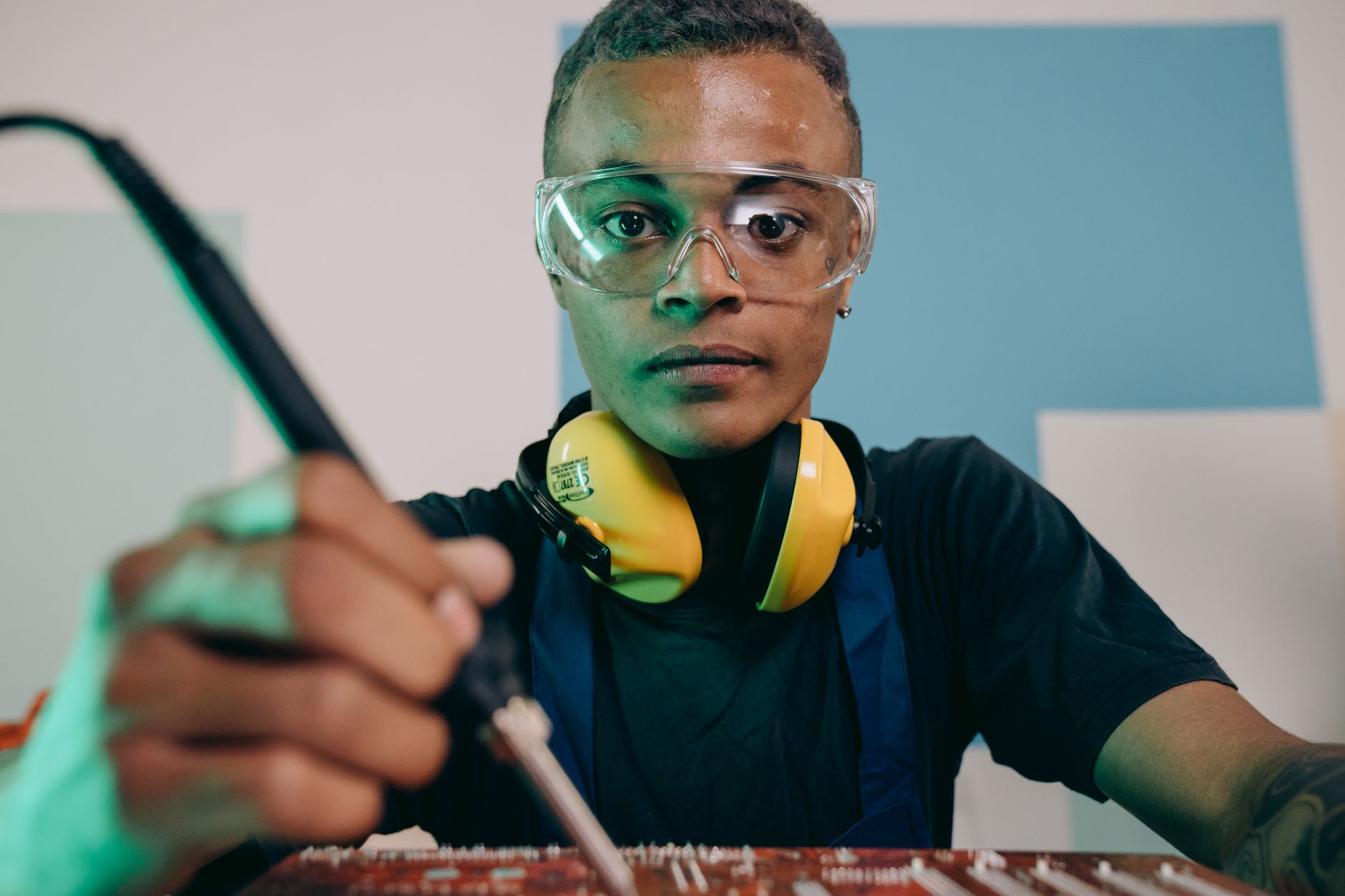
Mechatronics technicians (Mechatroniker/in) sit at the crossroads of mechanics, electronics and IT — they assemble, program, maintain and repair the automated systems that run German factories, wind turbines and production lines. Germany's manufacturing economy runs on these skills, and with an ageing workforce and Industry 4.0 automation everywhere, the shortage is real. If you are trained abroad and thinking about the move, this 2026 guide covers what you can earn, which visa fits, how strong demand is, and the exact steps to apply from your home country.
What a mechatronics technician does in Germany
A German Mechatroniker is a skilled tradesperson, not an academic engineer. The role is typically learned through a 3.5-year dual Ausbildung (vocational training combining paid on-the-job work with vocational school). Day to day you might:
- Build and wire electromechanical assemblies and control cabinets
- Program and troubleshoot SPS/PLC controllers (Siemens S7, TIA Portal)
- Maintain robots, CNC machines and conveyor systems
- Read technical drawings and hydraulic/pneumatic schematics
- Carry out fault diagnosis and preventive maintenance (Instandhaltung)
Employers span automotive (VW, BMW, Bosch, ZF), mechanical engineering (Maschinenbau), renewable energy, food processing and logistics automation.
Salary: what you can expect in 2026
Mechatronics technicians earn solid middle-class wages. A qualified technician typically starts around €38,000–€45,000 gross per year, rising with experience, shift work and overtime. With a Meister qualification or a specialist role (robotics, automation), €55,000–€65,000 is realistic.
Pay varies a lot by region — southern industrial states pay most, eastern states least — and companies bound by the IG Metall collective agreement (Tarifvertrag) pay noticeably more than those without.
| Region | Typical annual gross (€) |
|---|---|
| Baden-Württemberg / Bavaria | 44,000 – 58,000 |
| Hesse / North Rhine-Westphalia | 42,000 – 54,000 |
| Lower Saxony / Rhineland-Palatinate | 40,000 – 50,000 |
| Berlin / Hamburg | 40,000 – 52,000 |
| Saxony / Thuringia (eastern states) | 36,000 – 46,000 |
Remember that gross (brutto) is not take-home. Income tax, health insurance, pension and social contributions typically leave you with roughly 60–65% as net (netto). The trade-off is that health cover, pension and unemployment insurance are all included.
Is there really demand?
Yes. Mechatronics is on Germany's shortage-occupation radar. The Bundesagentur für Arbeit (Federal Employment Agency) regularly classifies skilled electrical and mechatronics trades as Engpassberufe (bottleneck occupations), meaning vacancies stay open far longer than average and there are more openings than qualified applicants. Drivers of demand include:
- A wave of retirements shrinking the skilled workforce
- Automation and robotics spreading into every sector (Industry 4.0)
- The energy transition (Energiewende) needing technicians for wind, solar and grid infrastructure
Being on the shortage list matters for your visa: it makes approval faster and, in some cases, removes extra hurdles.
Visa routes to work as a mechatronics technician
Germany's Fachkräfteeinwanderungsgesetz (Skilled Immigration Act) opened several doors for vocationally trained workers, not just university graduates. The right route depends on whether you already have a job offer and whether your qualification is recognised.
1. Skilled Worker Visa (Fachkräftevisum)
The main route if you have a job offer and a recognised qualification. You need your foreign vocational training assessed as equivalent to the German standard through Anerkennung (recognition). With that plus a contract, you get a residence permit (Aufenthaltstitel) tied to skilled employment.
2. Chancenkarte (Opportunity Card)
A points-based job-seeker visa for people without a job offer yet. You collect points for qualification, German/English skills, age and experience, then get up to 12 months in Germany to find work. Ideal if your recognition is partial or you want to interview in person. Check your score with our eligibility checker, and read the full Opportunity Card guide.
3. Recognition Partnership (Anerkennungspartnerschaft)
Since 2024 you can enter with a job offer and complete the Anerkennung process after arrival, in partnership with your employer — useful when full recognition abroad is slow.
4. EU Blue Card
Usually for university graduates above a salary threshold, so most Mechatroniker (a vocational trade) will use the skilled-worker route rather than the Blue Card. If you hold an engineering degree, see Blue Card vs Chancenkarte.
Getting your qualification recognised (Anerkennung)
Recognition is the single most important step for a regulated skilled trade. In short:
- Identify the German reference occupation (usually Mechatroniker/in).
- Find the competent authority via the official anerkennung-in-deutschland.de portal — for industrial mechatronics this is typically the IHK FOSA chamber body.
- Submit your diploma, training curriculum and work references (translated and certified).
- Receive a decision: full equivalence, or partial with a compensation measure (a course or Qualifizierungsmaßnahme to close gaps).
Processing usually takes 3–4 months and costs roughly €100–€600. Start this early — it is the bottleneck in most timelines.
German language: how much do you need?
Mechatronics is hands-on, but safety, teamwork and technical documentation are all in German. Most employers expect at least B1, and B2 makes you far more competitive and is often required for recognition of regulated aspects. Start now — even A2 before you arrive helps enormously. Our learn German course is built for job-seekers heading to Germany.
How to apply from abroad: step by step
- Assess eligibility. Confirm your training maps to Mechatroniker and run the eligibility checker.
- Start recognition (Anerkennung). File with the competent chamber early — this runs in parallel with everything else.
- Learn German to at least B1/B2.
- Prepare a German-style application. A one-page Lebenslauf (CV) and a tailored Anschreiben (cover letter). Use our CV builder and cover-letter generator.
- Search and apply. Use StepStone, Indeed, the Agentur für Arbeit job board, and company career pages. Target Maschinenbau and automotive suppliers.
- Interview. Many first rounds are by video. Prepare with our interview prep guide.
- Apply for the visa at the German mission in your country, or enter on a Chancenkarte to job-hunt on the ground.
- After arrival: complete your Anmeldung (address registration), open a bank account, and finalise your residence permit at the Ausländerbehörde (immigration office).
Is it worth it?
For a trained mechatronics technician, Germany offers stable, well-paid, in-demand work with a clear path to permanent residence and eventually citizenship. The main hurdles are language and recognition — clear those early and the rest of the process is well-trodden. Start your recognition file and German lessons today, and you can realistically be working in a German plant within 9–15 months.
Try this free tool
Ausbildung Salary Explorer
What 24 apprenticeships really pay — per year, net, and after graduation.
Frequently asked questions
Share with your friends
Was this article helpful?
Comments
Most liked comments appear first.
Log in to join the discussion.
…
Read also
Jobs
Working as a Warehouse Logistics Specialist in Germany: Salary, Visa and Demand
A practical 2026 guide to becoming a warehouse logistics specialist (Fachkraft für Lagerlogistik) in Germany: salaries by region, visa routes, qualification recognition and how to apply from abroad.
2026-08-03
Jobs
Working as a Baker in Germany: Salary, Visa and Demand
A 2026 guide to becoming a baker in Germany: salaries by region, visa and Anerkennung routes, the Ausbildung path, early-morning shift realities and how to apply from abroad.
2026-08-03
Jobs
Working as a Chef in Germany: Salary, Visa and Demand
A practical 2026 guide to becoming a chef (Koch/Köchin) in Germany: salaries by region, visa routes, recognition of foreign training, language expectations and how to apply from abroad.
2026-08-03

Jobs
Working as a Kindergarten Educator in Germany: Salary, Visa and Demand
Kindergarten educator jobs in Germany: 2026 TVöD salaries, the §16d visa route, Anerkennung of your diploma and where demand is highest.
2026-07-27

Jobs
Working as a Software Developer in Germany: Salary, Visa and Demand
Software developer jobs in Germany: 2026 salary ranges, the EU Blue Card (incl. the no-degree route), Chancenkarte and how to apply from abroad.
2026-07-27
Jobs
Working as an Elderly Caregiver in Germany: Salary, Visa and Demand
Elderly caregiver jobs in Germany in 2026: real salary ranges, the Pflegefachkraft visa route, Anerkennung and where demand is highest.
2026-07-27

Jobs
Working as a Doctor in Germany: Salary, Visa and Demand
A 2026 guide to doctor jobs Germany: Approbation, medical German exams, visa routes, salary ranges by grade and how to apply from abroad.
2026-07-27

Jobs
Working as a Nurse in Germany: Salary, Visa and Demand
Nurse jobs in Germany 2026: salary ranges by region, Anerkennung of your qualification, visa routes and how to apply from abroad.
2026-07-27